

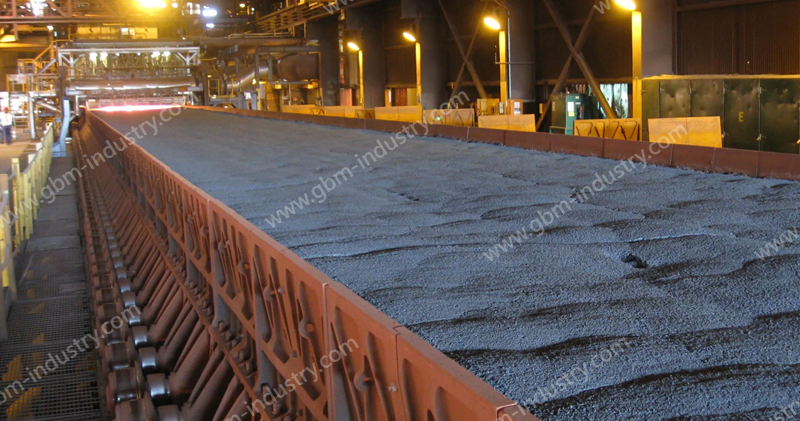
Chain plate conveyors are commonly used in sintering production to transport hot return ore. During operation, failures may occur due to operational or equipment-related factors, disrupting normal production and potentially causing production accidents.
Sintering production is a critical process in steel manufacturing enterprises. Hot return ore generated during sintering has high temperatures that can easily burn through conveyor belts, making belt conveyors unsuitable for direct transport. Chain plate conveyors are therefore commonly used for hot return ore handling. During operation, equipment failures can occur due to operational or mechanical issues. To ensure reliable chain plate conveyor performance, it is essential to understand the causes of common malfunctions, preventive measures, and troubleshooting methods. Proper operation and maintenance of chain conveyor equipment represent the most effective measures for reducing and preventing failures.
Operational Requirements for Chain Conveyor
(1) Conduct thorough equipment inspections before scheduled production starts. Upon receiving production initiation notification, conduct a post inspection to confirm all systems are in order before activating the power switch. Report to the control center to initiate chain conveyor operation.
(2) After starting the chain conveyor, observe its operation. Only open the hopper gate to discharge material once the conveyor is running normally.
(3) Upon receiving a shutdown notice, first close the hopper gate. Only stop the machine after all material on the chain conveyor has been completely discharged.
Precautions During Chain Conveyor Operation
(1) Monitor the head motor during operation. If motor temperature rises or noise increases, conduct a thorough inspection, report to the control center, close the discharge hopper, and stop the machine for inspection.
(2) Continuously monitor the lubrication status of the head sprocket during operation. If bearings lack oil, immediately replenish using the manual oil pump.
(3) Continuously monitor the chain belt’s operation during conveyor operation. Adjust promptly if the belt bites the rails. When conveyor speed slows, reduce hopper feed rate to prevent material buildup.
(4) Observe material discharge from the head hopper during operation. If blockage occurs, immediately cut power and halt operation to prevent head hopper jamming that could snap the chain belt.
Additionally, to ensure normal operation of the chain conveyor, regular equipment inspections and maintenance must be conducted. After repairs, the conveyor must undergo strict acceptance testing according to standards to guarantee it can be promptly returned to production without malfunctioning.
Prevention and Handling Methods for Specific Faults
Chain Conveyor Misalignment
Prevention:Monitor chain operation continuously for deviations. If misalignment occurs, immediately adjust the tail tensioning screw to correct the chain path and prevent misalignment faults.
Troubleshooting:If severe wear on the pull plates causes deviation, notify the control center to reverse the flow direction. Investigate the root cause of the deviation. If the issue stems from the chain plate itself, have an electrician shut off power, remove the pull plate pins, replace severely worn plates with spares, and restore power. Notify the control center to disable non-interlocking functions. Start the chain plate operation individually and adjust the tail tensioning screw until the chain plate no longer deviates. If wear on both sides is minor, only the tail tensioning screw needs adjustment.
Chain Plate Derailment
Prevention:During operation, monitor wear on both sides of the chain plate. If severe wear occurs on one side, replace the worn pull plates immediately. If replacement is not feasible, adjust the tail tensioning device to prevent derailment.
Troubleshooting:If chain plates derail during operation, immediately activate the emergency stop switch, report to supervisors and the control center, and contact professional maintenance personnel. Do not attempt unauthorized repairs to prevent further escalation of the incident.
Material Jam
Prevention:During operation, carefully inspect the contact and transmission between the head sprocket and chain belt. If the sprocket shows significant wear and exhibits slippage when driving the chain belt, promptly reduce the hopper discharge volume and report to the control center for record and handling to prevent material jams.
Troubleshooting:If material jamming occurs during conveyor operation, immediately activate the emergency stop switch, report to the control center, and investigate the cause. If excessive flow from the gate is responsible, adjust the gate flow rate. If chain slack is the cause, adjust the tail tensioning screw. If the head sprocket shows severe wear, report to superiors for documentation while simultaneously reducing the discharge hopper feed rate to ensure normal conveyor operation.
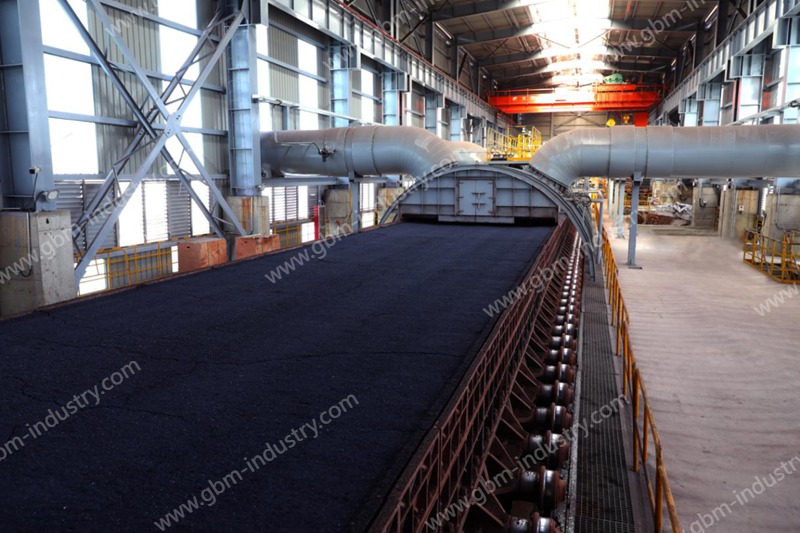
Chain Plate Chain Piling Failure
Prevention:During chain conveyor operation, inspect whether the chain belt is excessively long. If so, adjust the tail tensioning device. If increased scraping occurs at the head or tail sections, or if chain wheels and hoppers become unresponsive:
1.Remove scraping debris from the head and tail sections;
2.Apply light lubricating oil to the chain wheels to restore rotation; Third, replace or address non-functional buckets to prevent chain accumulation during operation.
Troubleshooting:If chain accumulation occurs during material transport, identify the cause:
– If the chain is excessively long, adjust the tail tensioning screw until chain accumulation ceases.
– If scrapers at the head/tail obstruct the chain’s centerline, remove the obstructions. If chain wheels are jammed, causing accumulation during normal operation, activate the emergency stop switch and report to lubricate the chain wheels with thin oil for smooth rotation. If buckets are jammed, shut down power and report to the control center for bucket replacement or repair to eliminate chain accumulation during operation.
GBM Delivers High-Efficiency Chain Plate Conveyors
Addressing common failures in chain plate conveyors during sintering operations—such as derailment, track deviation, material compression, and chain accumulation—GBM leverages years of material handling expertise to introduce high-performance chain plate conveyors specifically engineered for hot sinter return applications. This series features comprehensive optimizations in material selection, structural design, intelligent control, and maintenance accessibility. It fundamentally reduces failure rates, ensuring long-term stable operation under harsh conditions of high temperatures, heavy loads, and high dust levels.
High wear-resistant materials extend lifespan
With return ore temperatures often exceeding 600°C, standard chain plates deform and wear easily, causing derailment and track displacement. GBM chain conveyors utilize Mn13 high-manganese wear-resistant steel or heat-resistant alloy steel (e.g., 1Cr18Ni9Ti) for chain plates. Special heat treatment achieves surface hardness exceeding HRC50, delivering both exceptional high-temperature strength and impact resistance. Chain plate thickness is optimized to 16–20 mm, reducing self-weight while maintaining strength and lowering chain tensile load. Chains are manufactured from high-strength alloy steel (e.g., 40Cr), with pins undergoing carburizing and quenching treatment. Paired with high-temperature self-lubricating bushings, this design reduces chain pitch elongation by 60%, effectively preventing derailment caused by wear.
Dynamic Tensioning and Guidance Technology
To address misalignment caused by chain wear, the GBM chain conveyor employs a hydraulic automatic tensioning device. This system continuously monitors chain tension and automatically compensates, ensuring optimal meshing between the chain and sprocket wheels. This prevents misalignment due to slack. Wear-resistant nylon or high-chromium cast iron liners installed on both sides of the guide rails provide high-precision guidance, ensuring straight-line chain plate movement even during prolonged operation. The stainless steel tail tensioning screw, fitted with a lock nut, offers flexible adjustment and corrosion resistance, facilitating routine fine-tuning by operators to eliminate track deviation risks at the mechanical level.
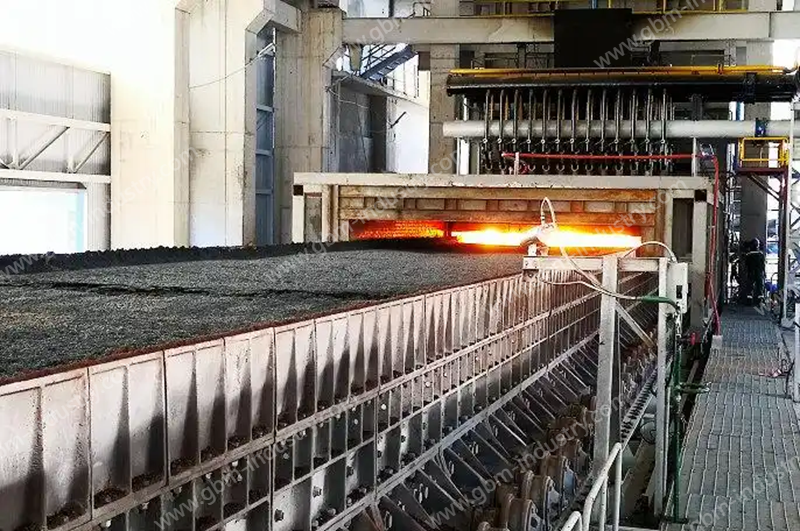
Intelligent Drive and Overload Protection Eliminate Material Jam Accidents
Material jams typically result from excessive feed rates or insufficient drive force. The GBM chain conveyor features a variable-frequency drive motor that automatically adjusts speed based on material flow, delivering constant torque output. Motors are rated at 1.5 times actual load capacity with 200% short-term overload capability, effectively handling sudden surges in material flow. The gear reducer employs a hardened worm gear structure with self-locking capability, preventing material backflow and chain compression during shutdown. The optimized star wheel tooth profile ensures smooth chain engagement, minimizing tooth skipping risks. Optional material flow sensors and current monitoring modules trigger immediate alarms upon detecting blockages or abnormal currents, automatically reducing discharge gate openings to prevent worsening material compression.
GBM chain plate conveyors excel in meeting the demanding challenges of sintered hot return ore transportation through advanced high-temperature resistant materials, intelligent tensioning systems, overload protection technology, and convenient maintenance design. They significantly reduce common failure rates, making them the ideal choice for enhancing the operational reliability of sintering production lines. Choosing GBM means choosing low-failure, high-efficiency, long-life conveying assurance.