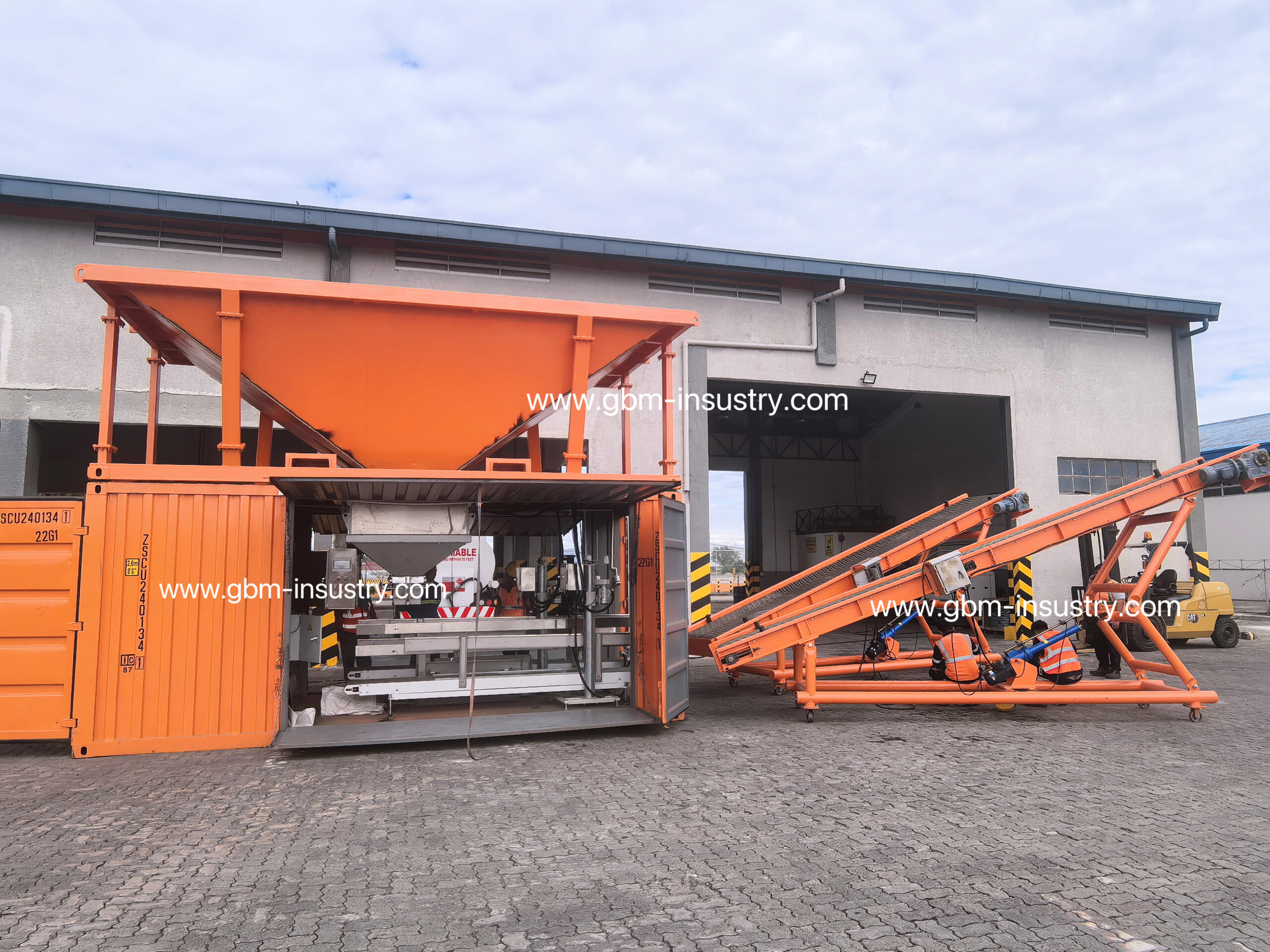


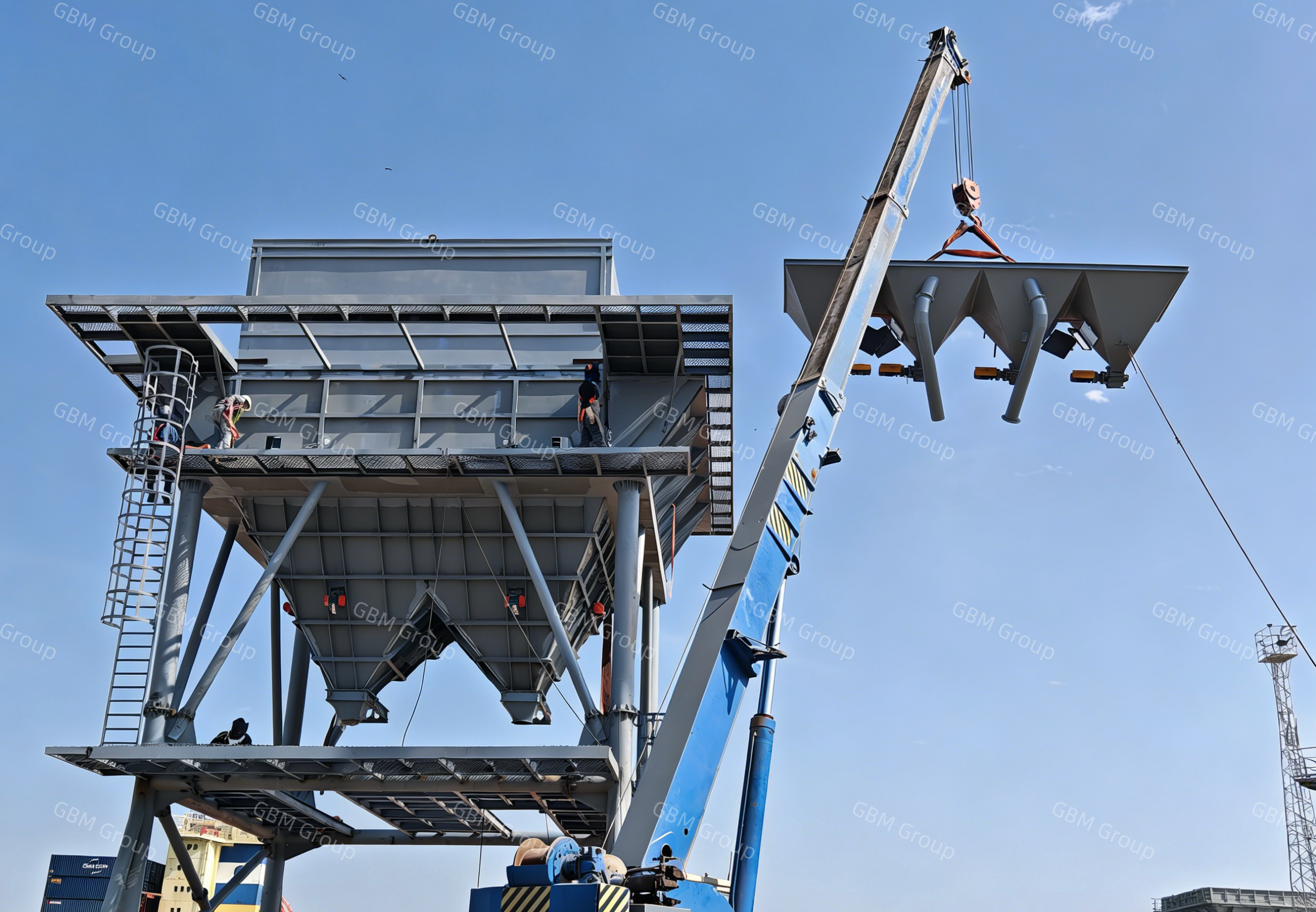
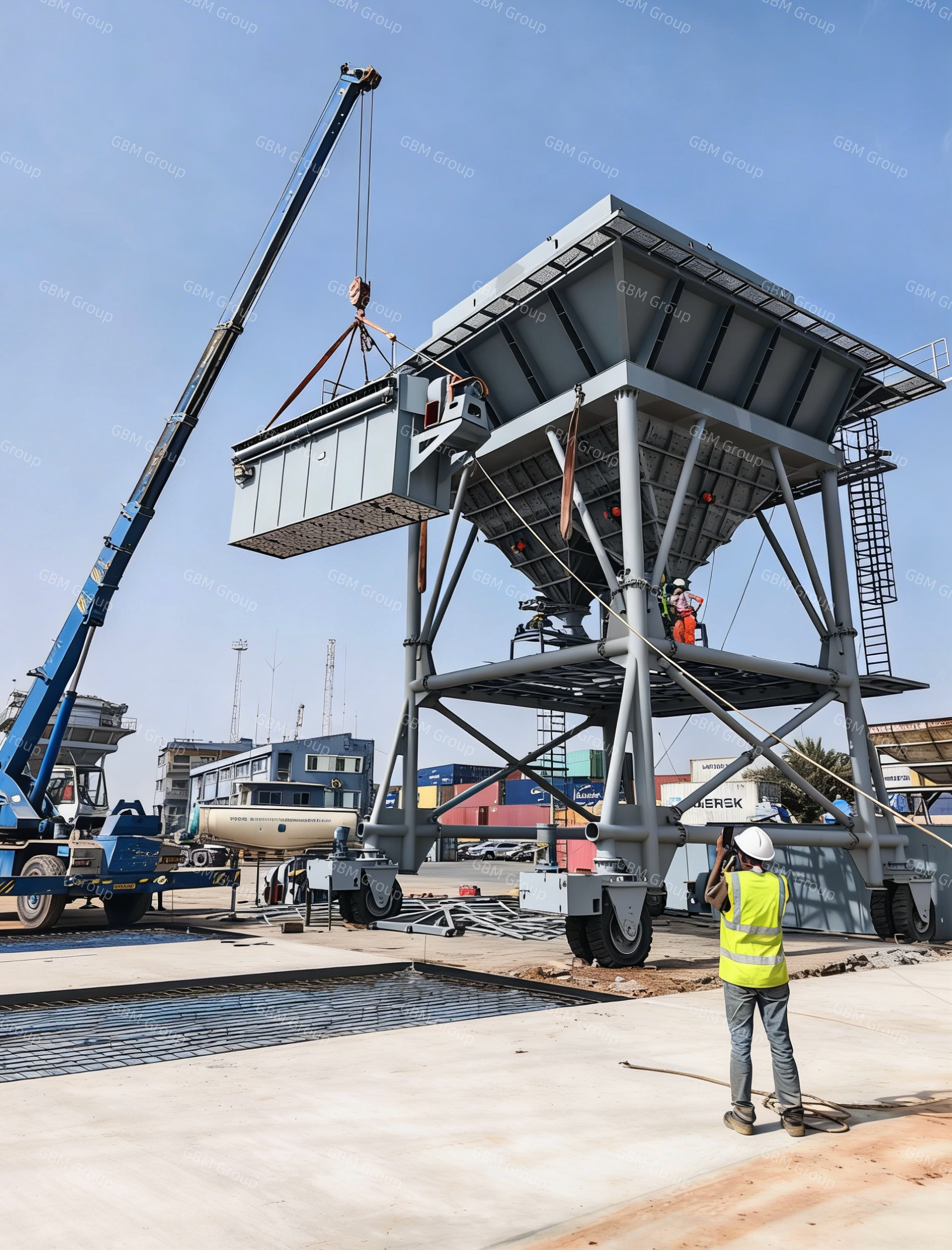
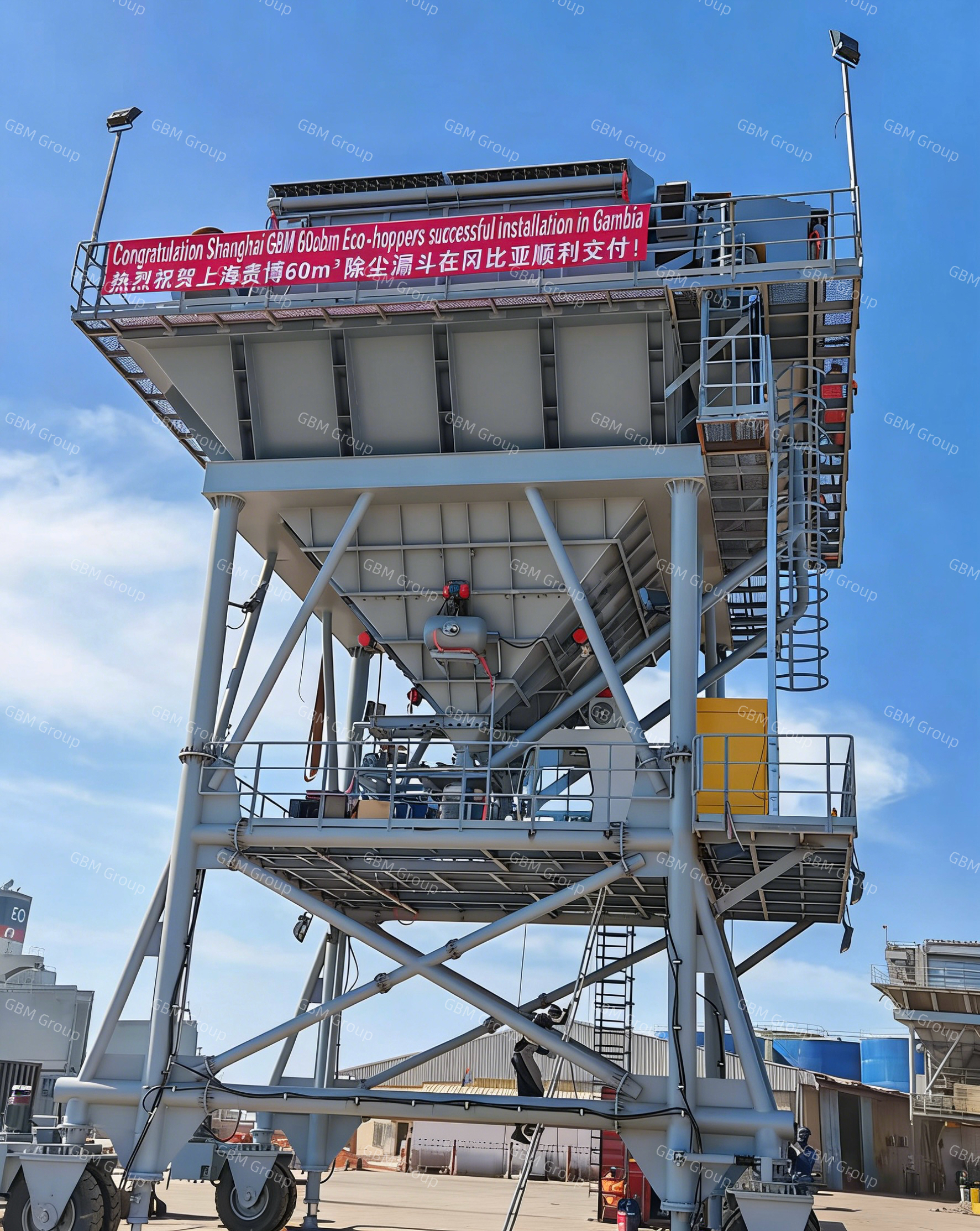
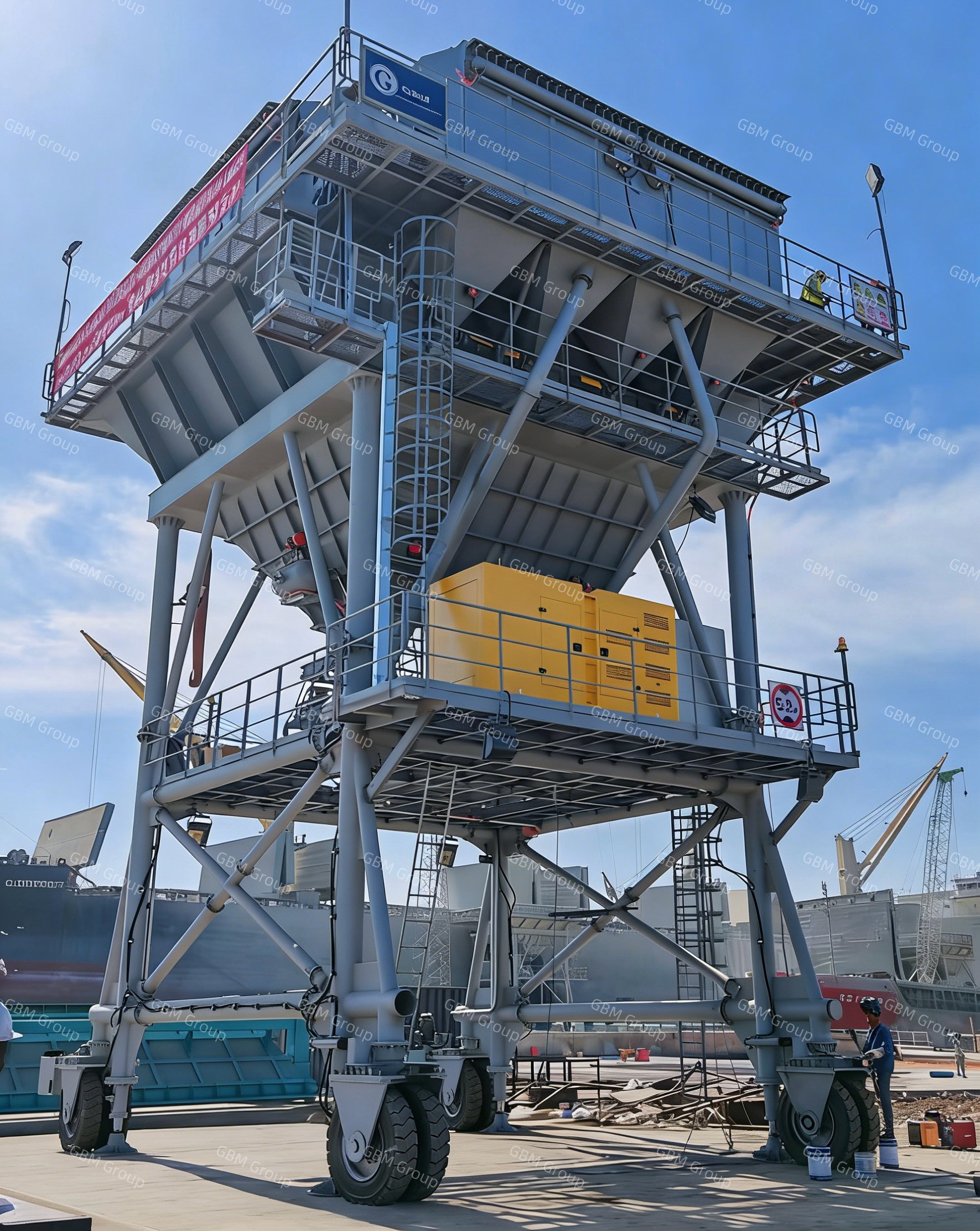
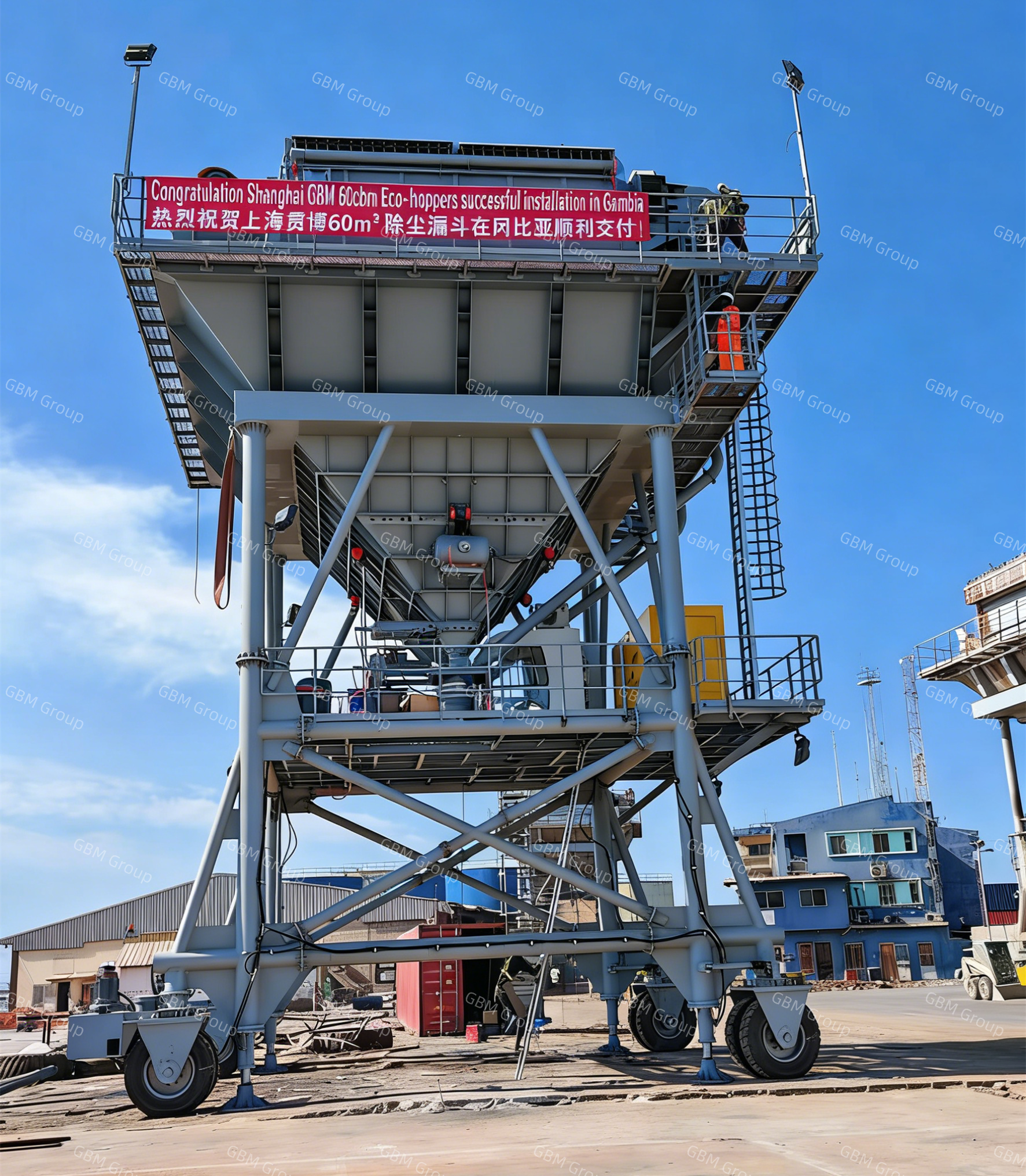
GBM is pleased to announce the successful installation and commissioning of our latest eco hopper in Gambia, West Africa. This project marks another important step in our continued commitment to serving the African market, where our brand has earned a strong reputation over many years.
The unit is now fully assembled at the customer’s site, ready to begin operation in clinker unloading applications. This installation represents more than just another equipment delivery—it demonstrates GBM’s ability to provide practical solutions that address real operational challenges faced by African ports and terminals.
Our team on the ground worked closely with local partners throughout the installation process, ensuring that every component was properly positioned and all systems functioned as designed. The result is a dust collection system that will make a tangible difference in the working environment and community impact of this facility.
Advanced Bag Filter Technology
How the System Works
The centerpiece of this installation is our bag filter dust collection system, specifically engineered for the demanding conditions of clinker handling. Clinker dust is fine, abrasive, and easily airborne—characteristics that make it particularly challenging to control during unloading operations.
The system operates on a simple but effective principle. As clinker is unloaded from vessels, the dust-laden air is captured by strategically positioned hoods around the discharge point. This air is then drawn through a series of high-efficiency filter bags that trap particulate matter while allowing clean air to pass through. The captured dust is automatically cleaned from the filter bags using a pulse-jet system, falling back into the material flow so nothing is wasted.
Built for Marine Environments
Marine terminals present unique challenges for dust control equipment. Salt air, high humidity, and the constant movement of ships and equipment require robust construction and thoughtful design. The GBM dust collection hopper features corrosion-resistant materials throughout, with special attention to electrical components and moving parts that could be affected by the coastal environment.
The filter bags themselves are selected for their ability to handle the abrasive nature of clinker dust while maintaining efficient airflow over extended periods. Our experience across multiple African ports has taught us that equipment must stand up to both the material being handled and the environmental conditions—this unit reflects those lessons.
Solving Customer Pain Points: Cleaner Operations
Before GBM: The Daily Battle Against Dust
The customer in Gambia had been struggling with dust issues for years. During clinker unloading, visible dust clouds would drift across the terminal, settling on equipment, vehicles, and nearby areas. Operators working near the discharge point required constant protective gear, and even then, visibility and breathing conditions were far from ideal.
Beyond the immediate working environment, dust carried beyond the terminal boundaries created community relations concerns. Like many port facilities located near populated areas, managing environmental impact had become a growing priority for the operation.
The GBM Difference
Since installation of the GBM mobile eco-hopper, the difference has been immediately noticeable. The capture hoods effectively contain dust at the source, preventing it from becoming airborne in the first place. Operators report significantly improved visibility during unloading operations, and the reduced dust levels mean less frequent cleaning of surrounding equipment and surfaces.
One terminal supervisor noted that the working environment near the hopper is now comparable to what you would expect indoors—a remarkable change from the dusty conditions that were previously accepted as normal. This improvement directly benefits the health and comfort of the workers who spend their shifts in this area.
GBM in Africa: A Brand Built on Reliability
Years of Trust Across the Continent
GBM’s presence in Africa is not new. Over the years, our equipment has found its way into ports, mines, and industrial facilities across the continent. What sets us apart is not just the quality of our machinery, but our approach to working with African customers.
We understand that equipment operating in Africa must contend with conditions that are not always covered in standard design manuals. High temperatures, dust, inconsistent power supplies, and long distances from spare parts sources are realities that our engineering considers from the start. The Gambia installation benefits from this experience—it is built to perform reliably under the conditions it will actually face.
Supporting Local Operations
The installation process in Gambia involved close collaboration with local contractors and technicians. GBM provided on-site supervision and training, ensuring that the team responsible for day-to-day operation understands the equipment thoroughly. This knowledge transfer is essential for long-term success, as it empowers local staff to handle routine maintenance and minor adjustments without waiting for outside assistance.
Our commitment to the African market extends beyond simply selling equipment. We maintain relationships with customers long after the initial sale, providing technical support and spare parts availability that keeps operations running. The Gambia project exemplifies this approach—the installation was completed successfully, but our involvement continues.
Service Beyond Delivery: Our Commitment to Customer Success
Training and Knowledge Transfer
Commissioning a dust collection hopper involves more than just mechanical installation. The control systems, filter cleaning cycles, and operational parameters all need to be properly understood by the people who will run the equipment daily. During the Gambia project, GBM technicians conducted thorough training sessions covering:
-
Proper startup and shutdown procedures
-
Monitoring system performance indicators
-
Responding to alarms and warnings
-
Routine maintenance tasks and schedules
-
Troubleshooting common issues
This training ensures that the customer’s team can operate the equipment with confidence from day one, maximizing both performance and equipment life.
Ongoing Technical Support
Our relationship with customers does not end when the equipment starts running. GBM maintains technical support channels that allow operators in Gambia to reach experienced engineers when questions arise. Whether it is a question about optimal filter cleaning intervals or advice on adjusting settings for different material types, help is available.
We also keep a comprehensive inventory of spare parts for our dust collection systems, recognizing that minimizing downtime is critical for port operations. Fast access to genuine GBM parts means that when maintenance is needed, it can be completed quickly and with confidence in the components used.
Continuous Improvement Through Feedback
Every installation teaches us something. The Gambia project provided valuable insights into how our equipment performs in this specific environment, and we have documented these observations for future reference. Customer feedback is actively encouraged and carefully considered when we refine our designs and procedures.
This commitment to continuous improvement means that the next GBM eco-hopper installed in Africa will be even better, incorporating lessons learned from every previous installation. Our customers benefit from this accumulated experience, even if they never see the behind-the-scenes work that goes into each design iteration.
Conclusion: A Cleaner Future for African Port Operations
The successful installation of the GBM dust-proof hopper in Gambia represents progress toward a cleaner, more sustainable approach to material handling in African ports. By containing dust at the source, we help our customers meet environmental expectations while improving working conditions for their employees.
This project also demonstrates GBM’s ongoing commitment to the African market. We are not simply selling equipment and moving on—we are building relationships, transferring knowledge, and supporting local operations for the long term. The Gambia installation joins a growing list of successful GBM projects across the continent, each one contributing to our reputation for reliable, practical solutions.
As African economies continue to develop and ports handle increasing volumes of materials, effective dust control will become even more important. GBM stands ready to meet this need with equipment that is engineered for local conditions and backed by genuine service commitment.
For more information about GBM dust collection solutions and how they can benefit your operation, please contact our sales team or visit our website.