

With the widespread adoption of advanced mining equipment and technologies, the advancement speed of mining faces has significantly increased, mining areas have expanded considerably, and coal production has surged substantially. Coal extracted from mining faces is typically transported via overlapping belt conveyors. As the primary underground transportation equipment in coal mines, the operational reliability and efficiency of belt conveyors directly impact coal production. Traditional belt conveyors rely on locally deployed cameras and manual inspections for monitoring, which suffer from low monitoring efficiency and high labor intensity, failing to adequately meet the demands of modern mine construction.

Structure &Failures of Underground Coal Mine Belt Conveyor
Structural Analysis
The typical structure of underground coal mine belt conveyors is shown in Figure 1. Primary components include the conveyor belt, idlers, drive motor, frame, and drums, while auxiliary devices comprise tensioning systems and safety monitoring systems.
Common Failure Analysis
During operation, belt conveyors frequently encounter failures such as deviation, slippage, and material buildup due to adverse factors including harsh underground environments, uneven floor surfaces, long transport distances, and extended operating times. Specific failures are detailed below.
1) Belt Misalignment
Misalignment occurs due to uneven force distribution on both sides of the belt. Causes include belt damage, loose connections, severe wear on idlers and drums, or foreign objects adhering to drums.
2) Slippage
Slippage occurs when friction between the belt and drums decreases. Causes include malfunctioning or improperly adjusted tensioning devices, belt jamming, drive drum deformation, and aging of drive drum rubber lining.
3) Material Piling
Piling disrupts transportation. Common causes include: abnormal drive operation causing mismatched belt speed and feed rate, preventing timely material removal; tensioning device malfunction causing material slippage and accumulation during transport; uneven material distribution on the belt due to idler or drum jamming/deformation.

4) Overheating Failures
Belt friction increases due to idler jamming, drum slippage, material buildup, or belt misalignment.
5) Tear Failure
Risks of tearing exist due to conveyor belt wear and aging, abnormal wear on drums and idlers, transporting large-sized materials or sharp metal objects; abnormal operation of tensioning devices, where tension force deviates from the normal working range, also exacerbates tear risks.
These failures directly impact the operational efficiency and reliability of belt conveyors. Therefore, a targeted remote monitoring and protection system for belt conveyors must be established. By monitoring operational status parameters and environmental conditions, this system enables fault analysis and assessment of component health, ensuring efficient and stable operation of the belt conveyor.
Monitoring and Protection System
System Architecture
The remote monitoring and protection system for underground coal mine belt conveyors utilizes a PLC as the core control unit. Various sensors deployed along the conveyor line monitor operational status, parameters, and environmental conditions. These monitored parameters are transmitted via a communication system. The PLC analyzes the collected data and outputs control commands, which are executed by actuators.
Sensor Types
The operating environment of belt conveyors features poor lighting conditions, high dust concentration and humidity, and complex electromagnetic interference. This necessitates sensors with high reliability and stability.

Video Surveillance System
The video surveillance system not only provides visual monitoring of belt conveyor operations but also triggers alarms for personnel violations. Warning lines are established in hazardous zones. Image recognition technology analyzes whether personnel enter these areas; if dangerous behavior is detected, the system automatically sends an alarm signal to the monitoring center while simultaneously activating on-site audible and visual alarms. The video surveillance system employs KBA12S cameras, utilizing the existing underground industrial ring network for image transmission. The system incorporates an Uninterruptible Power Supply (UPS) to ensure 24-hour uninterrupted power supply.
Control Program
The software for the coal mine underground belt conveyor remote monitoring and protection system includes host computer software, configuration software, and programming software. The configuration software offers excellent compatibility with touchscreens and incorporates multiple functional panels to support simulation debugging and transportation control requirements. The programming software utilizes Connected Components Workbench for PLCs, featuring a dedicated PLC programming environment with built-in communication protocols and debugging tools for efficient data exchange with PLCs.

Application of Belt Conveyors
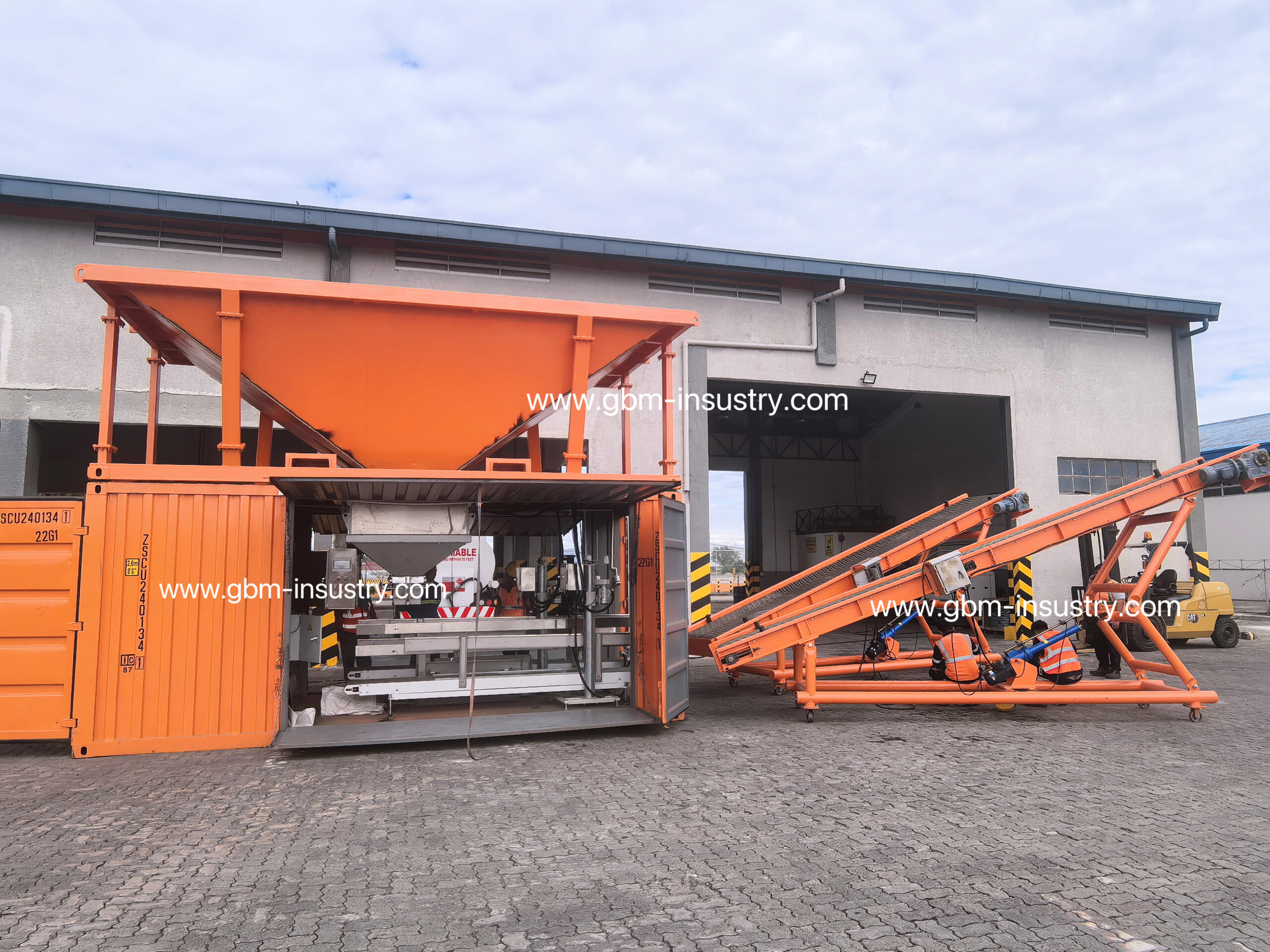
To effectively address common faults in underground coal mine belt conveyors—such as deviation, slippage, material buildup, and belt tearing—GBM is committed to providing integrated belt conveyor equipment featuring high reliability and intelligent monitoring capabilities. GBM belt conveyors incorporate remote monitoring and multiple protection mechanisms during the design phase. Their systems not only meet the aforementioned remote monitoring system architecture requirements but also achieve further optimization in critical sensor placement, data integration, and fault early warning.
GBM belt conveyors utilize PLCs as core control units, strategically equipped along the conveyor body with high-precision deviation sensors, temperature monitoring devices, speed detectors, and emergency pull-cord switches. These sensors continuously collect critical parameters—including belt operating speed, idler temperature, and belt position status—transmitting data via underground industrial ring networks to the monitoring center. The system performs real-time data analysis. Upon detecting belt deviation, abnormal speed, or drum slippage, it immediately triggers audible and visual alarms. It can also automatically adjust tensioning devices or execute shutdown protection based on preset programs, effectively preventing fault escalation.
For video surveillance, GBM equipment features standard interfaces supporting seamless integration with high-reliability mining cameras. By correlating video feeds with sensor data, the system enables early identification and warning of stockpile risks. It also establishes electronic fences in hazardous zones, automatically detecting and alerting personnel for unauthorized proximity, significantly enhancing safety protection in operational areas.
Furthermore, the upper-level computer software for GBM belt conveyors supports deep integration with configuration platforms. This enables dynamic display of 3D simulation diagrams, real-time parameters, and historical curves on central control room screens. Maintenance personnel can remotely monitor equipment health status and schedule maintenance proactively based on intelligent diagnostic information provided by the system. This facilitates a shift from “reactive maintenance” to “predictive maintenance,” ultimately ensuring continuous, efficient, and safe coal transportation.

Conclusion
During operation, belt conveyors are prone to faults such as material buildup, slippage, and deviation due to harsh underground environments, uneven ground surfaces, long transport distances, and extended operating hours. These issues directly impact operational efficiency and reliability. Therefore, a targeted remote monitoring and protection system for belt conveyors should be developed based on their structural characteristics and common failure types. This system requires analysis of its architecture, key hardware components, and software systems.
For more details,please kindly send us email for free consultant:sales.export@gbm-china.com