

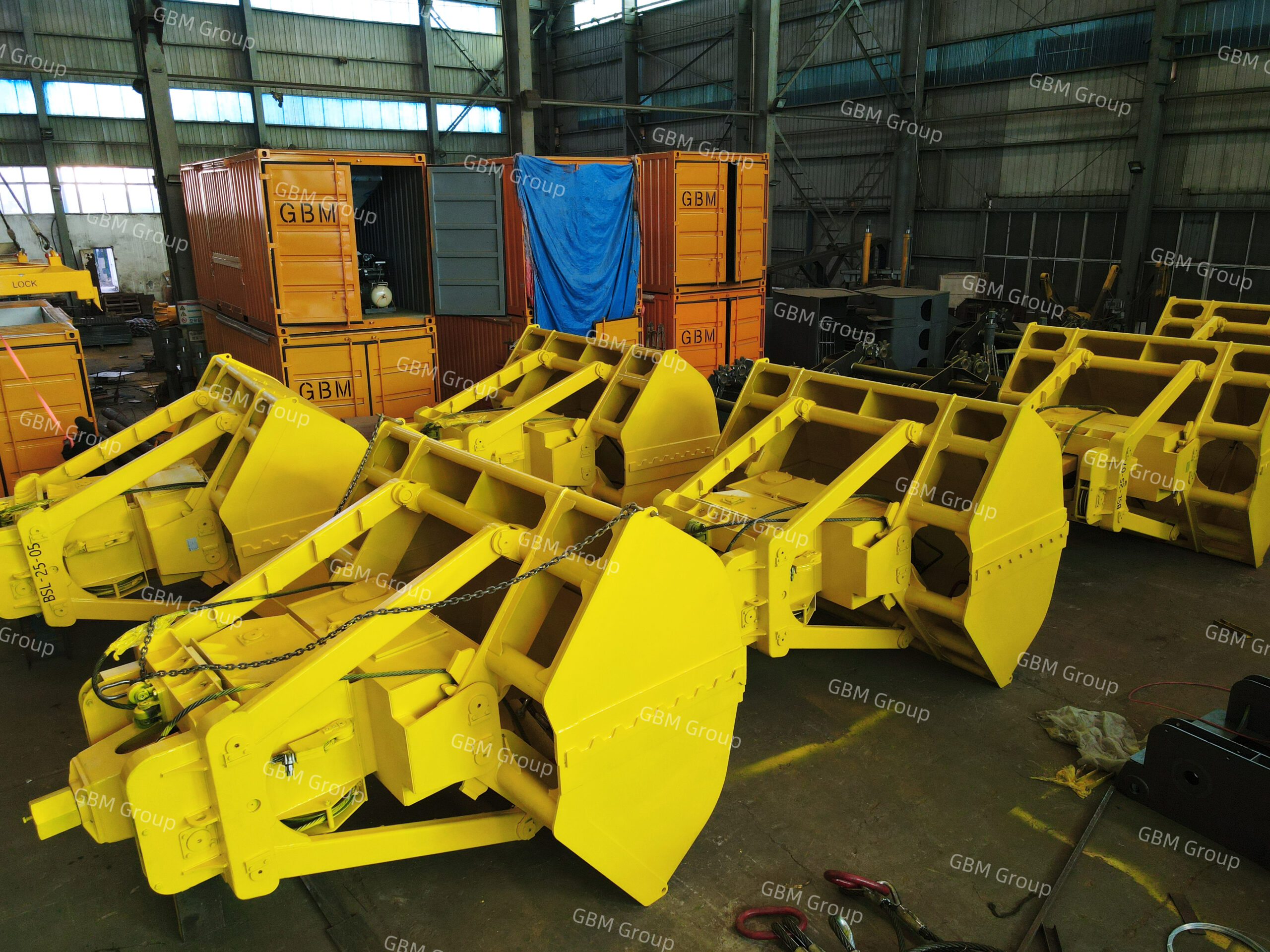
With over 150 remote control grabs exported annually to customers around the world, GBM has accumulated knowledge that simply cannot be found in brochures or on websites. We have seen what works, what fails, and what makes the difference between an operation that runs smoothly and one that struggles constantly.
This guide is not a sales pitch. It is a practical resource based on real experience—the kind gained by standing on docks, talking with operators, and watching equipment perform year after year. We have made mistakes, learned from them, and improved our designs. We have also watched customers make choices that cost them dearly, and we want to help you avoid those same pitfalls.
The remote control grab market has expanded rapidly. New manufacturers appear regularly, each promising the world. For a buyer, separating genuine value from marketing claims has become increasingly difficult. This guide will help you ask the right questions, understand what really matters, and make a decision you will be happy with for years to come.
What “Remote Control” Really Means for Operation
The Technology Behind it
A remote control grab is more than just a standard grab with a radio receiver attached. The hydraulic control system is integral to the grab’s performance, and the quality of that system determines how well the grab will serve you. Some manufacturers treat remote control system as an afterthought. They don’t use the good brand,this approach might work for a while, but it inevitably leads to problems. The electronics may not be adequately protected against dust and moisture. The antenna placement may be compromised. The control logic may not account for the specific demands of material handling. GBM designs remote control systems specifically for the environments where our grabs work. The control valve group and hose are housed in sealed enclosures that keep out the fine dust/rain .Antennas are positioned to maintain signal integrity even when the operator’s line of sight is partially blocked.
What to Look for in a Remote System
When evaluating remote control grabs, ask specific questions about the control system. What is the effective range in a real terminal environment, not just in ideal conditions? How does the system handle signal interference from nearby equipment? What happens if the signal is lost during a critical moment in the lifting cycle?
These questions matter because conditions on an operating dock are never perfect. Cranes, ships, and other equipment can block or reflect signals. Dust can infiltrate poorly sealed enclosures. Temperature extremes can affect electronic components. A remote system designed for material handling anticipates these challenges and addresses them in the design.
The Real Cost of Cheap Equipment
Why Initial Price Is Deceptive
Every buyer wants a good deal. Saving money on equipment purchase seems like smart business. But in decades of watching customers make purchasing decisions, we have learned that the cheapest option almost never turns out to be the most economical over time.
Consider what happens when you buy a low-priced remote control grab. The materials are likely thinner or lower grade. The hydraulic components come from manufacturers you have never heard of. The welding may meet minimum standards but nothing more. The remote system uses consumer-grade electronics never intended for industrial use.
At first, the grab may perform acceptably. But within months, problems begin to appear. Wear is accelerated. Seals start leaking. The remote system becomes intermittent. Each problem requires attention, and each repair costs money and time.
The Hidden Costs Add Up
The initial savings evaporate quickly when you account for:
Lost productivity. A grab that cycles slowly or frequently jams handles fewer tonnes per hour. Over weeks and months, this lost output far exceeds any upfront price difference.
Maintenance expenses. Cheap components wear faster and fail sooner. Replacement parts may be difficult to source. Each repair eats into your operating budget.
Unplanned downtime. When a critical piece of equipment fails, the whole operation stops. Vessels wait, schedules slip, and costs mount. A single hour of downtime at a busy terminal can cost more than the price difference between a cheap grab and a quality one.
Operator frustration. Equipment that behaves unpredictably wears down the people who run it. Frustrated operators are less productive and more likely to make mistakes.
GBM’s experience across 150 annual shipments has taught us that quality pays for itself. Our customers come back because they have learned that spending a little more upfront saves a lot more later.
Matching the Grab to Your Material
Why Material Properties Matter
A remote control grab is not a generic tool that works equally well for all cargoes. The physical properties of the material you handle should drive every aspect of the grab’s design.
Density determines the closing force required and the structural loads the grab must withstand. A grab designed for light materials like grain would fail quickly if used on dense iron ore.
Particle size affects how material flows into and out of the grab. Fine materials can pack tightly, requiring different shell geometry than coarse materials.
Moisture content influences whether material will stick to interior surfaces. Sticky materials need release features that dry materials do not.
Abrasiveness determines how quickly wear will occur and where protective liners are needed.
How GBM Approaches Material Matching
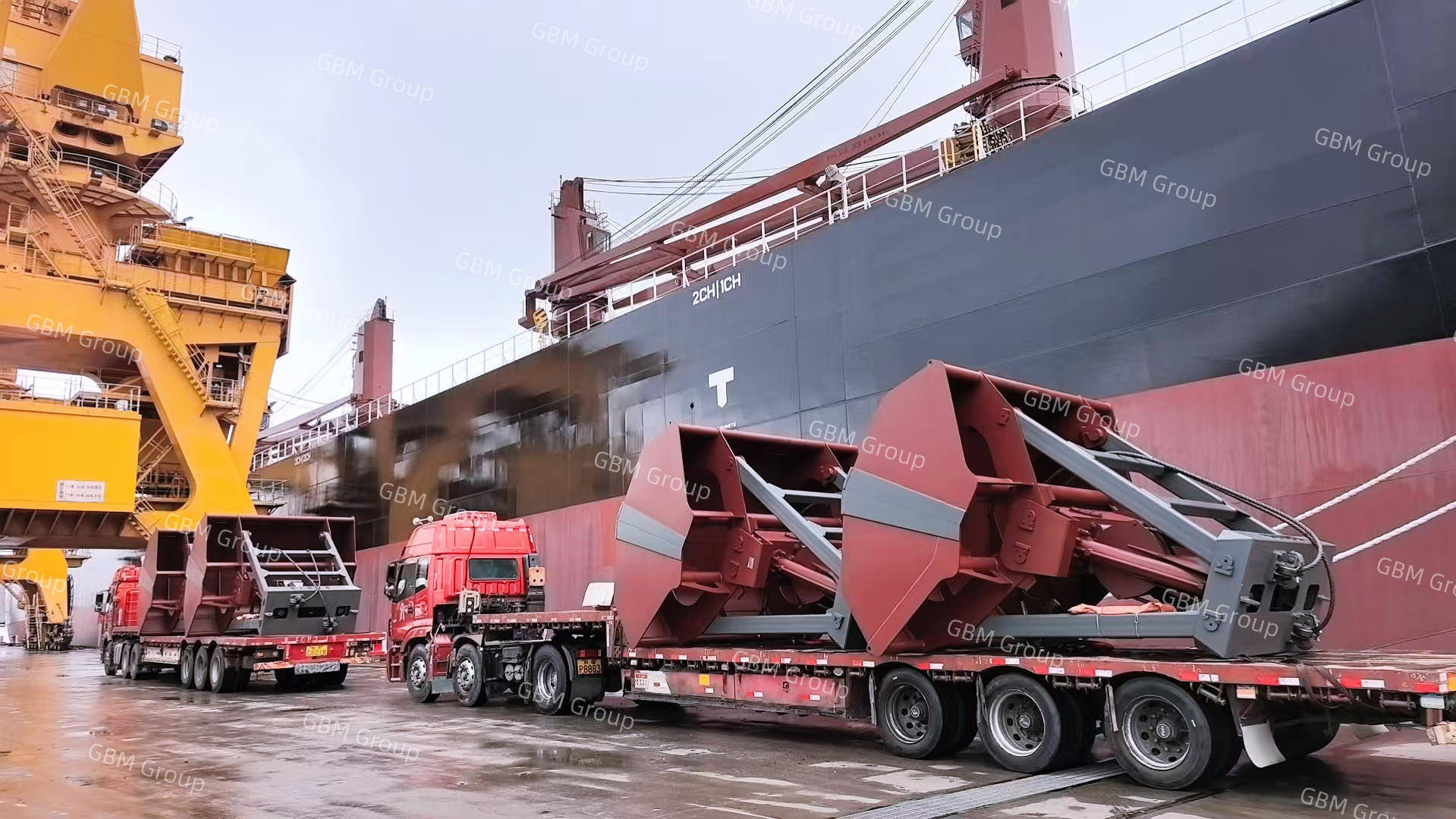
With over 150 remote control grabs built each year, we have developed designs tailored to a wide range of materials. We do not offer a one-size-fits-all solution. Instead, we ask detailed questions about your material before we ever put pencil to paper.
What is the bulk density? What is the typical particle size distribution? How much moisture does the material contain? Is it sticky when wet? Is it particularly abrasive? Are there any unusual characteristics we should know about?
The answers to these questions shape the grab we build for you. Shell geometry, material selection, hydraulic sizing, and wear protection are all adjusted based on the specific material you handle. This is not customization for its own sake—it is engineering that delivers real performance differences.
Critical Role of After-Sales Support
What Happens After Delivery
The relationship with your grab supplier should not end when the equipment arrives at your dock. In fact, that is when the real partnership begins. How your supplier supports you after the sale matters every bit as much as the quality of the equipment itself.
Some manufacturers treat the sale as the finish line. Once they have your money, they move on to the next customer. When you need a spare part or have a technical question, you find yourself waiting days or weeks for a response.
GBM takes a different approach. With 150 units going out every year, we have built a support infrastructure designed to keep customers running. We know that when you have a problem, you need help now, not next week.
Parts, Knowledge, and Responsiveness
Effective after-sales support has three components.
First, parts availability. GBM maintains comprehensive documentation for every grab we build. When you need a spare, we can identify exactly what you need and get it to you quickly. We stock critical components so you are not waiting for manufacturing lead times.
Second, technical knowledge. Our support team understands the equipment intimately because they designed it. When you have a question, you get an answer from someone who knows, not someone reading from a script.
Third, responsiveness. Problems do not arise on a convenient schedule. GBM’s support structure recognizes this reality and provides timely assistance when you need it.
A Practical Checklist for Evaluation
Before you commit to a remote control grab, ask these questions. The answers will tell you a great deal about whether you are dealing with a serious manufacturer or someone who will disappear when problems arise.
About the manufacturer:
-
How many remote control grabs do you build each year?
-
How long have you been manufacturing this type of equipment?
-
Can you provide references from customers handling materials similar to mine?
-
What is your warranty, and how do you handle warranty claims?
About the design:
-
Is this grab designed specifically for my material, or is it a general-purpose unit?
-
What customization options are available?
-
What testing has been done to verify performance?
-
What safety factors are built into the design?
About the remote system:
-
What is the effective range in a real terminal environment?
-
How is the system protected against dust, moisture, and vibration?
-
What happens if the signal is lost during operation?
-
Can the system be reprogrammed if operational requirements change?
About durability:
-
What materials are used in high-wear areas?
-
What is the expected service life of major components?
-
What maintenance will be required, and how often?
-
Are wear parts readily available?
About support:
-
What training do you provide for operators and maintenance staff?
-
How quickly can you supply spare parts?
-
Who do I contact if I have questions after installation?
-
Do you have local representatives in my region?
The Value of Straight Answers
A manufacturer with real experience will have straightforward answers to these questions. They will not need to hedge or deflect. They have been through this process many times and know what buyers need to know.
GBM welcomes these questions. We have nothing to hide and everything to gain by helping you make an informed decision.
Installation & Commissioning
Why Proper Setup Matters
Even the best-designed grab will underperform if it is not properly installed and commissioned. The interface with your handling equipment must be correctly configured. The remote system must be paired and tested. Operators must understand how to use the equipment effectively.
Some manufacturers drop-ship equipment and leave the customer to figure out installation. This approach saves the manufacturer money but costs the customer in frustration and delayed productivity.
GBM provides comprehensive installation support. Our technicians can be on-site to oversee the setup, or we can guide your team through the process remotely. We make sure that when you first put the grab to work, it performs as intended.
Training Transfers Knowledge
Equipment is only as good as the people operating it. GBM includes thorough training as part of our commissioning process. We work with your operators to ensure they understand the controls, the operating envelope, and the subtle techniques that make a difference in productivity.
We also train your maintenance staff on routine procedures and troubleshooting. When you understand how the equipment works, you can keep it running longer and address minor issues before they become major problems.
What to Expect Over Years of Service
Realistic Expectations
A well-designed remote control grab, properly matched to the material and maintained regularly, should provide years of reliable service. But “years” is vague. What should you realistically expect?
Structural components, properly designed and fabricated, can last a decade or more with appropriate maintenance. Wear parts—liners, cutting edges, seals—will need periodic replacement based on the abrasiveness of your material and the intensity of your operation. Hydraulic components typically require attention every few years, depending on operating conditions.
The remote system electronics may need updates over time as technology evolves and components become obsolete. GBM designs our systems with this reality in mind, making it possible to upgrade components without replacing the entire grab.
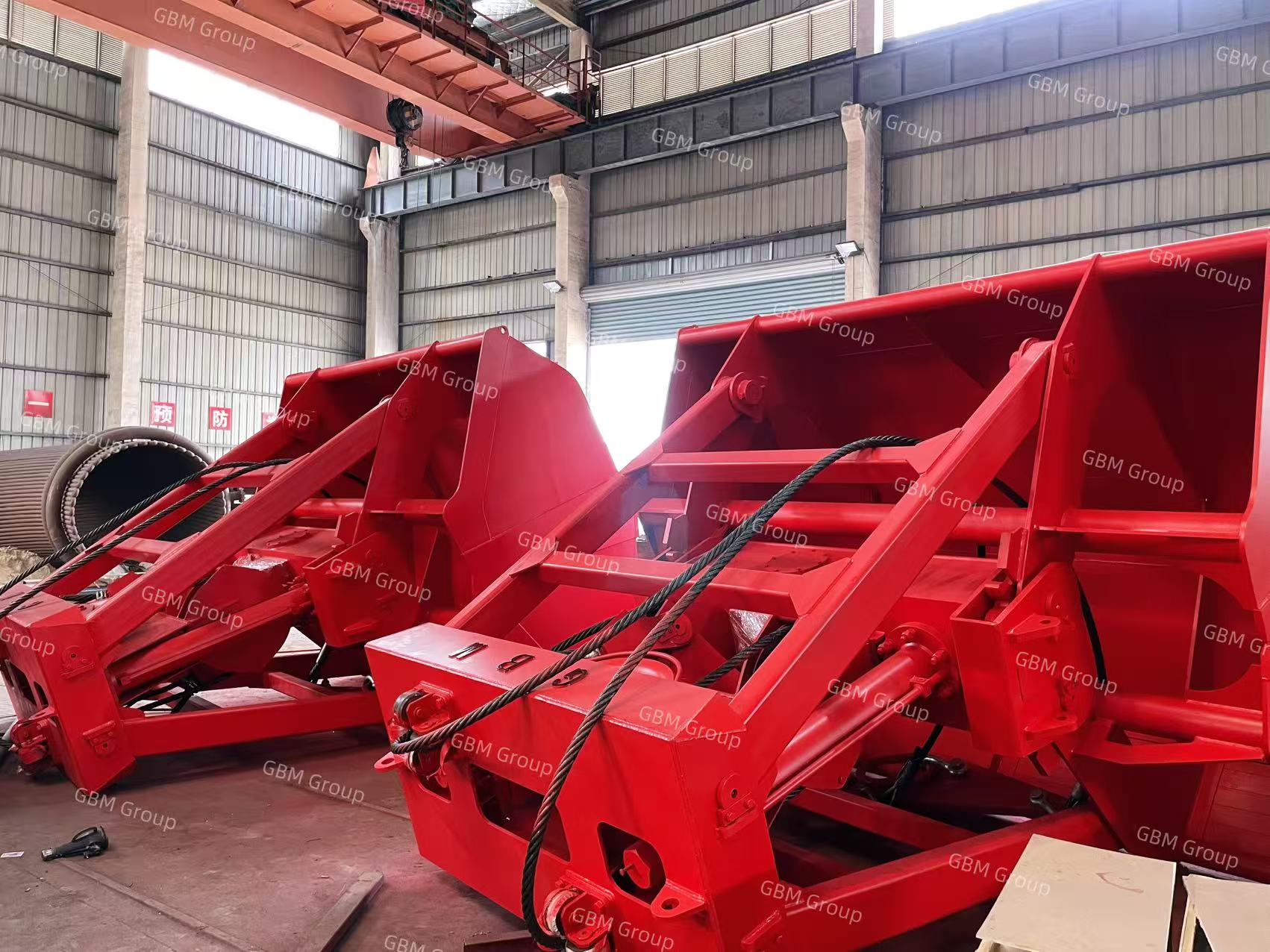
Signs That Maintenance Is Needed
Operators who work with equipment daily develop a feel for when something is not right. Slower cycle times, unusual noises, or changes in how the grab responds to controls can all signal that maintenance is needed.
GBM encourages customers to develop preventive maintenance programs based on operating hours or tonnes handled. Regular inspections catch small issues before they become big ones. Our technical team can help you establish appropriate intervals and inspection points.
Why 150 Units Per Year Matters?
The Value of Volume
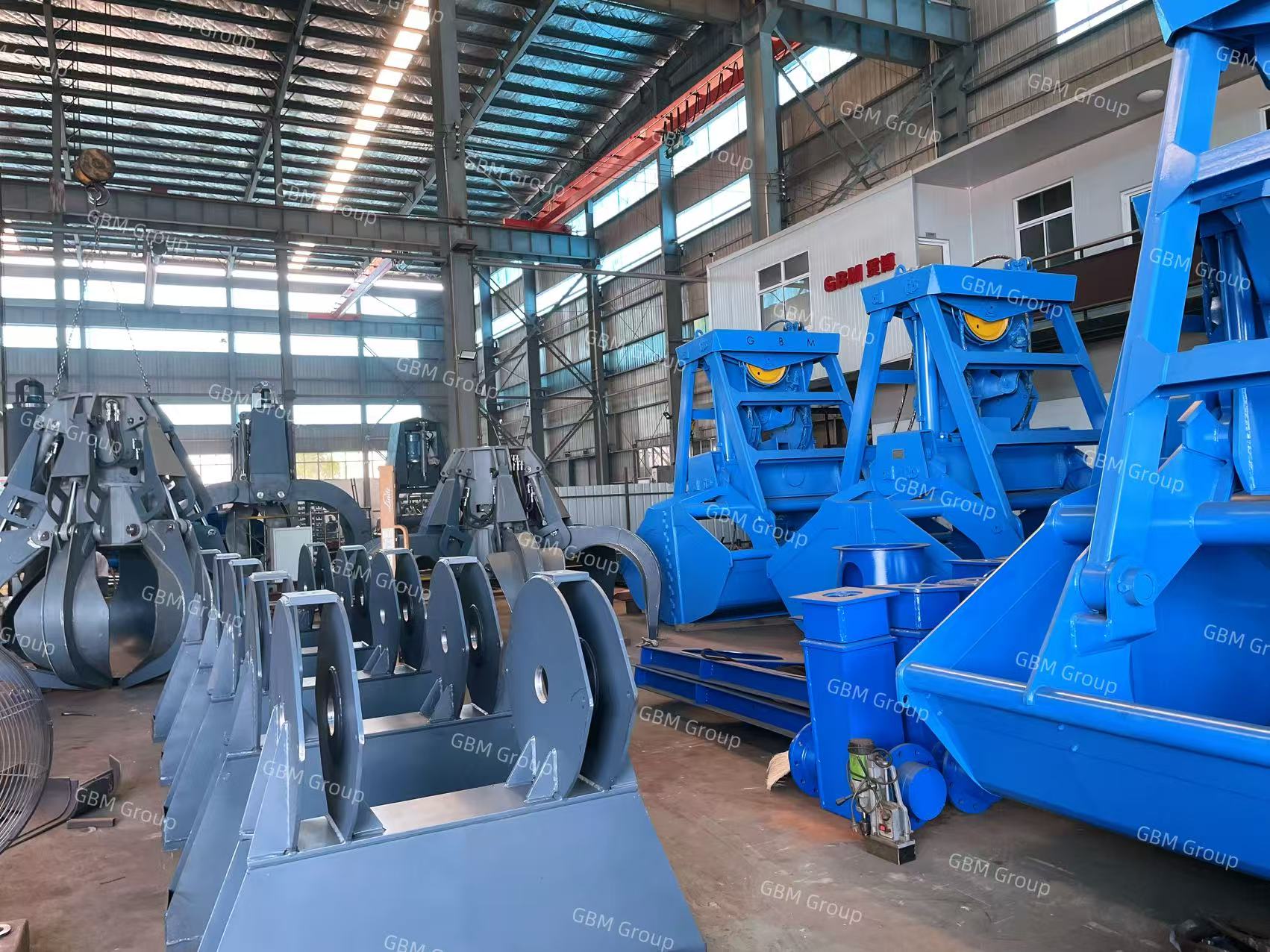
GBM’s annual production of 150 remote control grabs is not just a number we put in marketing materials. It reflects a level of experience that makes a real difference in the equipment we build.
With 150 units going into service each year, we collect data on what works and what does not at a scale that smaller manufacturers cannot match. We see which materials hold up best, which hydraulic configurations prove most reliable, and which design features deliver the most value. This feedback loop drives continuous improvement.
Volume also means we can invest in better manufacturing processes, more rigorous testing, and deeper inventory of spare parts. These investments benefit every customer, whether they are buying their first GBM grab or their fiftieth.
The Trust of Returning Customers
Perhaps the most telling measure of our success is how many customers come back. When someone buys a second, third, or tenth grab from GBM, they are voting with their budget. They have experienced our equipment and our support, and they have concluded that the combination delivers value.
That trust is not given lightly. It is earned through years of reliable performance and responsive support. It is the reason GBM continues to grow in markets around the world.
Making a Choice You Can Live With
Selecting a remote control grab is a significant decision. The equipment will be with you for years, handling millions of tonnes of material. The cost of a poor choice extends far beyond the purchase price—it shows up in reduced productivity, increased maintenance, and frustrating downtime.
GBM’s experience with 150 annual shipments has taught us what matters in remote control grabs. We have learned from our mistakes and our successes. We have built designs that perform, support systems that respond, and a team that cares about customer outcomes.
We invite you to put our experience to work for your operation. Ask the tough questions. Challenge us with your specific conditions. We have earned the right to be your partner, one grab at a time.
For more information about GBM remote control grabs and how they can improve your material handling operations, please contact our sales team or visit our website.