

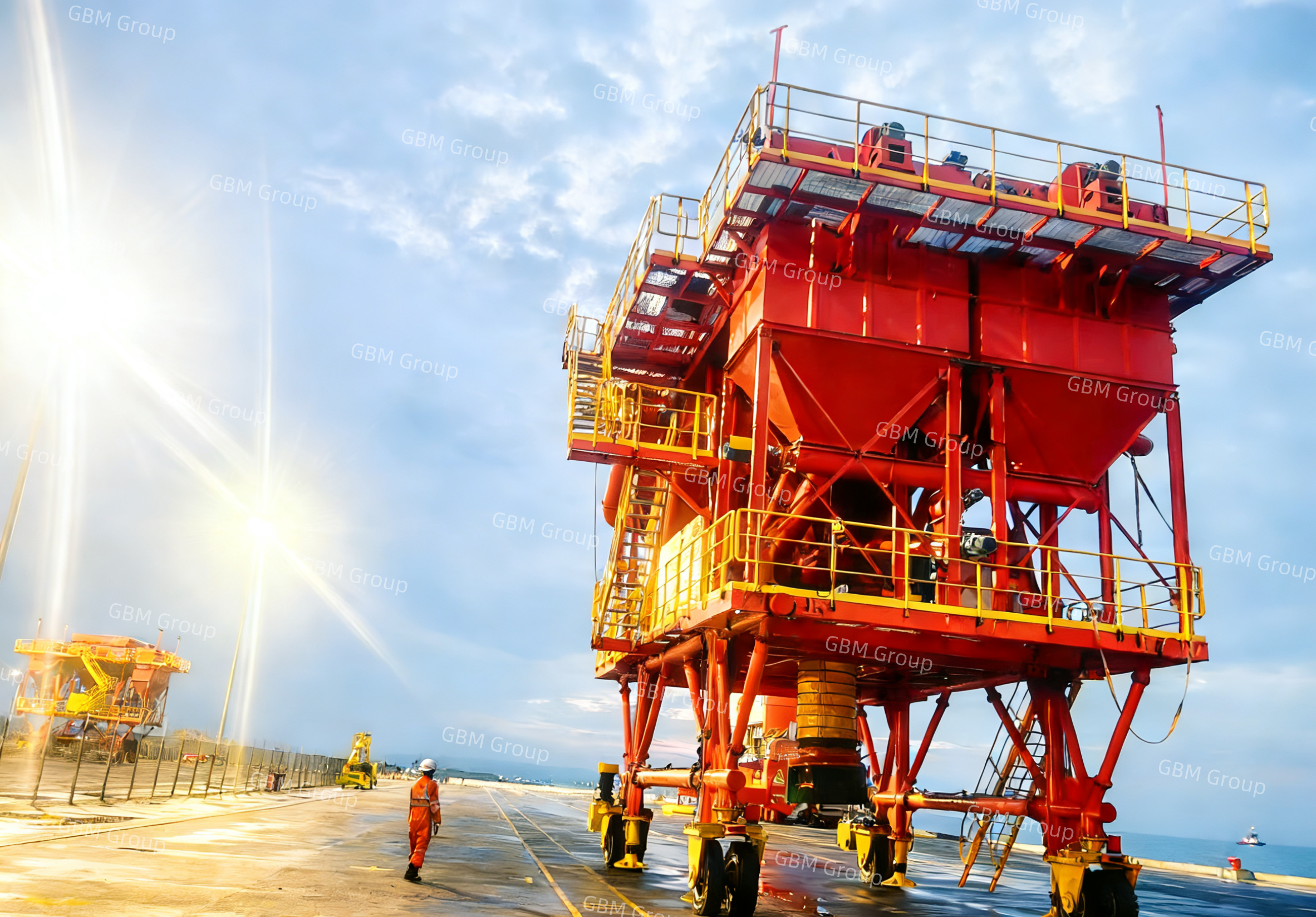
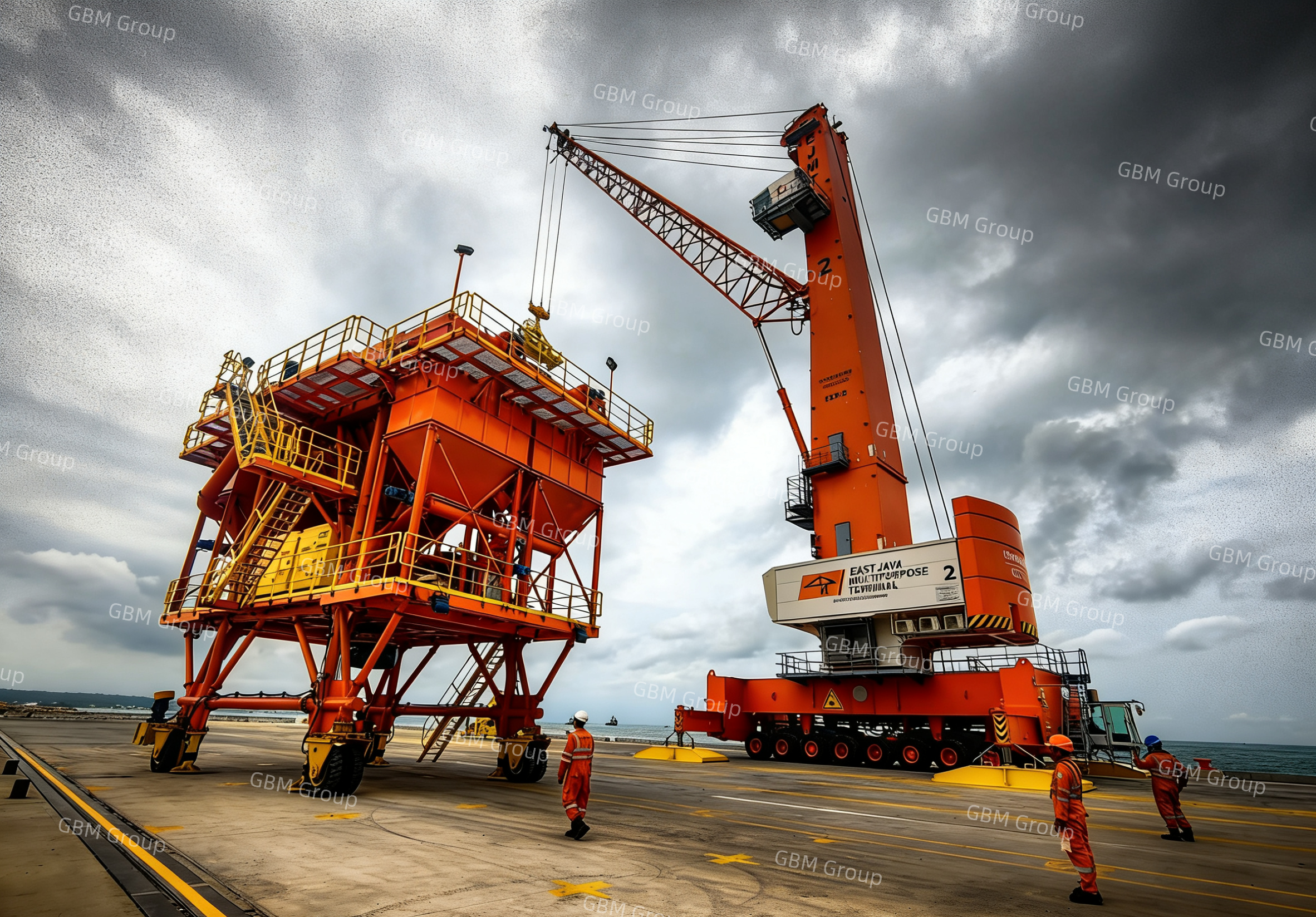
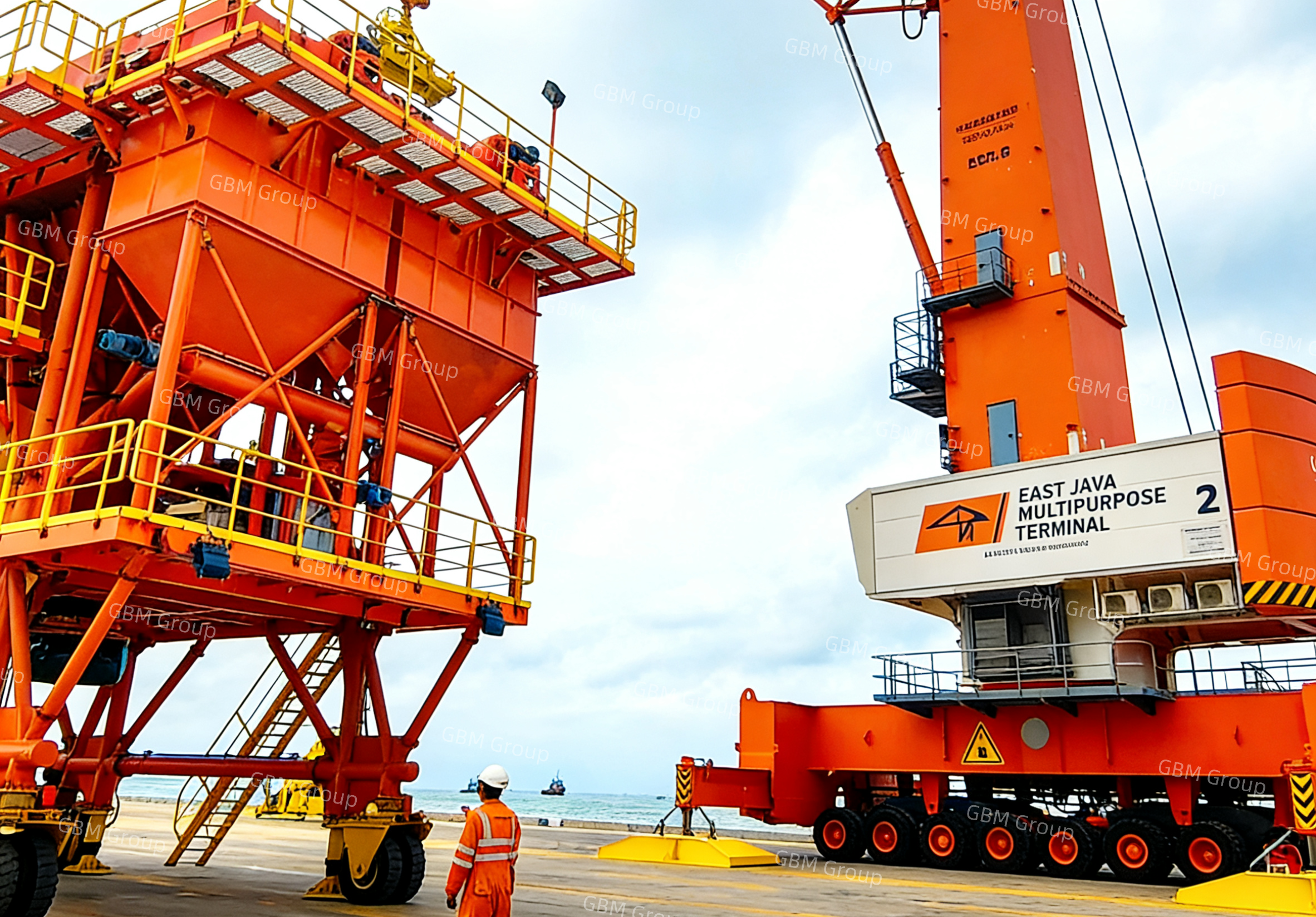
We have completed the on‑site installation and commissioning of a heavy‑duty eco-hopper at East Java Multipurpose Terminal, Indonesia. This mobile eco-hopper was custom‑designed and manufactured for handling various bulk materials – including aggregates and cement clinker – under tight environmental regulations. It marks the fourth collaboration with the same group, and once again the client highlighted our customization ability and fast response as key reasons they keep coming back.
A Hopper That Does More
Not a standard product
Most hoppers are built for one type of cargo. This one had to handle different bulk densities and abrasive cement clinker without frequent lining changes or blockages. We started from scratch – studying their material flow, particle size distribution, and the truck loading layout.
Why needed a custom solution?
The terminal serves multiple vessels carrying cement clinker, sand, and gravel. Switching between materials used to require manual cleaning and adjustments. The new hopper eliminates most of that downtime. Our design includes adjustable discharge gates and wear‑resistant liners that work across all those cargo types. The hopper discharges directly into trucks – a simpler and more flexible setup compared to a fixed belt conveyor.
Handle Bulk & Cement Clinker
Cement clinker is sharp and heavy. Standard carbon steel liners would wear through in months. We used hardfaced wear plates on impact zones and a steeper wall angle to keep material moving. During load tests with clinker, the hopper showed no sign of bridging or sticking.
One hopper, multiple materials
The client wanted to unload sand in the morning and clinker in the afternoon using the same hopper. We added removable grids to catch occasional large lumps and a modular liner system that can be replaced section by section. The operator simply adjusts the gate opening – no tools, no delays. The discharge height was carefully matched to standard truck tray heights for smooth loading.
Strict Environmental Rules
Dust from cement clinker is a health and compliance risk. Our hopper features fully enclosed side walls and a rubber‑sealed top cover that mates with the client’s dust extraction ductwork. We also installed skirt seals at the truck discharge point to stop dust escaping during loading.
Test results that satisfied the local officer
During commissioning, the terminal’s environmental officer measured dust levels while unloading clinker into a truck. The readings were well below the legal limit. The operations manager told us: “We’ve had other hoppers that still leak dust. This one is tight. No complaints from neighbors, no fines.”
A Partnership Built on Performance
This is not our first job with this group. We supplied bulk handling equipment for their other terminals in previous years. Each time, they gave us tough requirements – odd discharge heights, mixed cargo profiles, tight budgets. Each time, we delivered on time and fixed minor issues within days.
Why clients stay with us?
The client’s procurement lead said: “We could buy cheaper hoppers from other countries. But we know that if something breaks, their team takes weeks to respond. Your people reply within hours. That saves us money in the long run.” Trust is not about price – it’s about knowing who picks up the phone.
Client Feedback
“They built exactly what we needed ”
The terminal originally sent us a list of non‑standard requests: a lower discharge height to fit their existing truck fleet, extra dust ports on both sides, and a specific liner material. Many suppliers refused or asked for long lead times. We delivered drawings in one week and shipped the hopper as specified – no compromises.
Fast response during installation
When a hydraulic fitting did not match the local standard thread, our site engineer sourced a compatible part from a nearby industrial supplier within 24 hours – without asking the client to handle it. That kind of quick reaction is rare in this industry. The client’s project manager mentioned it twice during the final walkthrough.
Installation & Commissioning
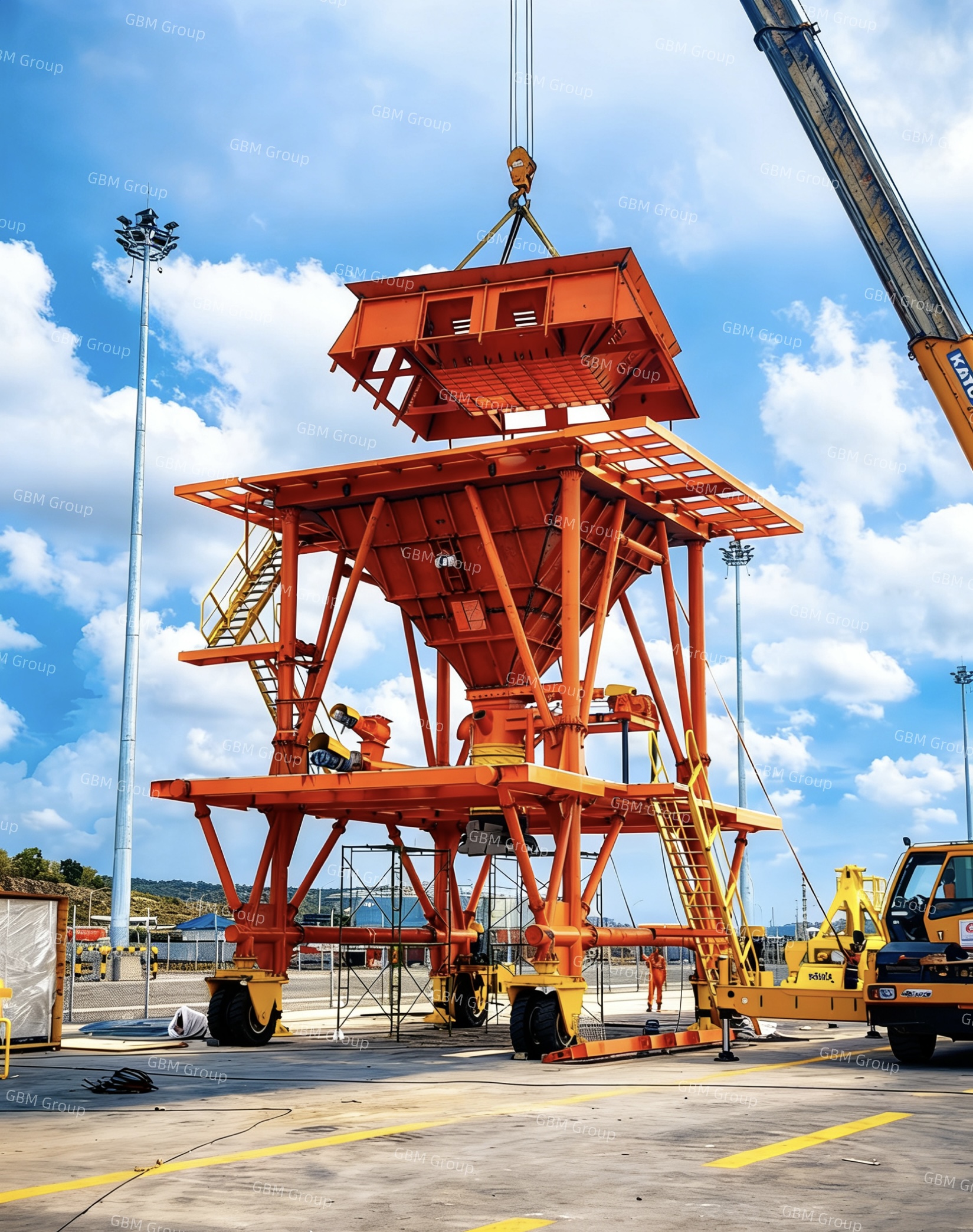
Installation of this custom hopper was not a quick bolt‑on job. Our team spent 45 days on site, working alongside the client’s personnel. The work included foundation preparation, hopper positioning, structural welding, dust duct connection, and full system integration with their truck loading zone. The extended schedule was necessary to ensure every detail – from alignment to sealing – was done right.
Load tests with real materials
Commissioning included three test runs:
Sand (fine, dusty) – dust extraction worked as designed.
Gravel (heavy, large particles) – gate opened smoothly, no jamming.
Cement clinker (abrasive, irregular) – wear plates held up, discharge consistent.
After the clinker test, we inspected the liners. Almost no visible wear. The client signed the acceptance certificate after the 45‑day installation and commissioning phase was completed.
Future Bulk Handling Projects
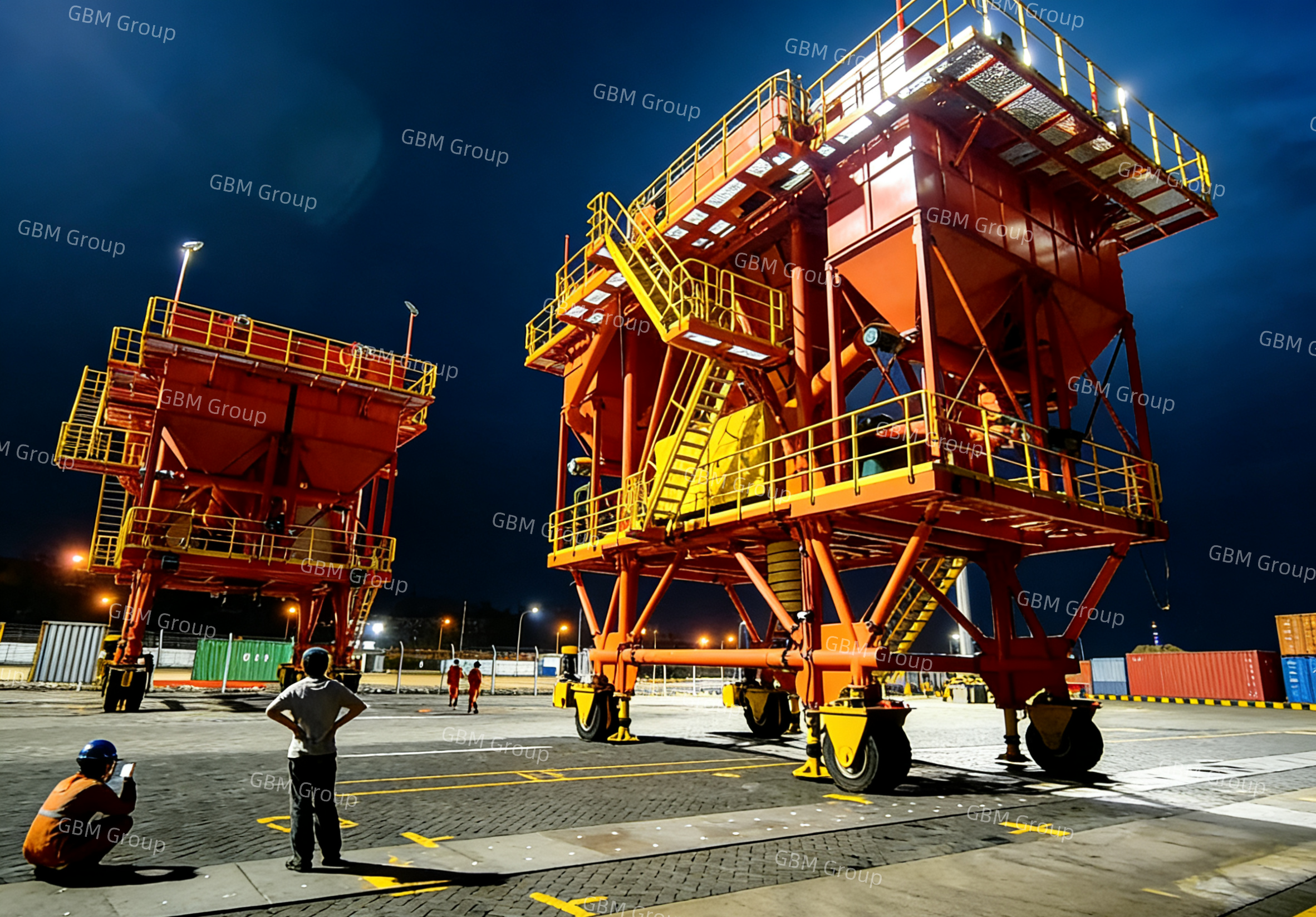
If you operate a multipurpose terminal facing dust regulations, you don’t have to accept off‑the‑shelf hoppers that leak or wear out fast. Our approach is simple: study your actual material mix, simulate flow conditions, then build a hopper that matches your real working environment – not a generic brochure.
Invitation to discuss your next project
We are now quoting similar custom hoppers for other terminals in Southeast Asia. Whether you need a single hopper or a complete bulk unloading system (feeding trucks or other mobile equipment), we offer:
Custom design based on your cargo types and truck dimensions
Fast engineering response (drawings in days, not months)
On‑site support during the entire installation period – typically several weeks to ensure quality
Contact our bulk handling team for a no‑obligation discussion or a site visit.