

Discharge cement clinker with high efficiency
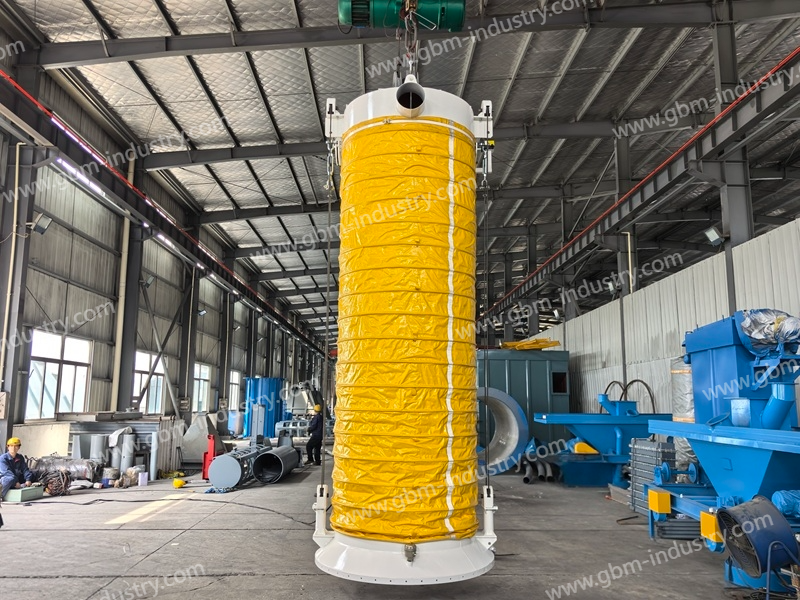
Cement is one of the trickiest bulk materials to handle. It is fine, abrasive, and easily becomes airborne. A standard fixed chute often leads to dust, material buildup, and maintenance headaches. That is why a French customer recently approached GBM with a clear requirement: a telescopic chute rated at 400 tons per hour, designed specifically for their cement loading operation.
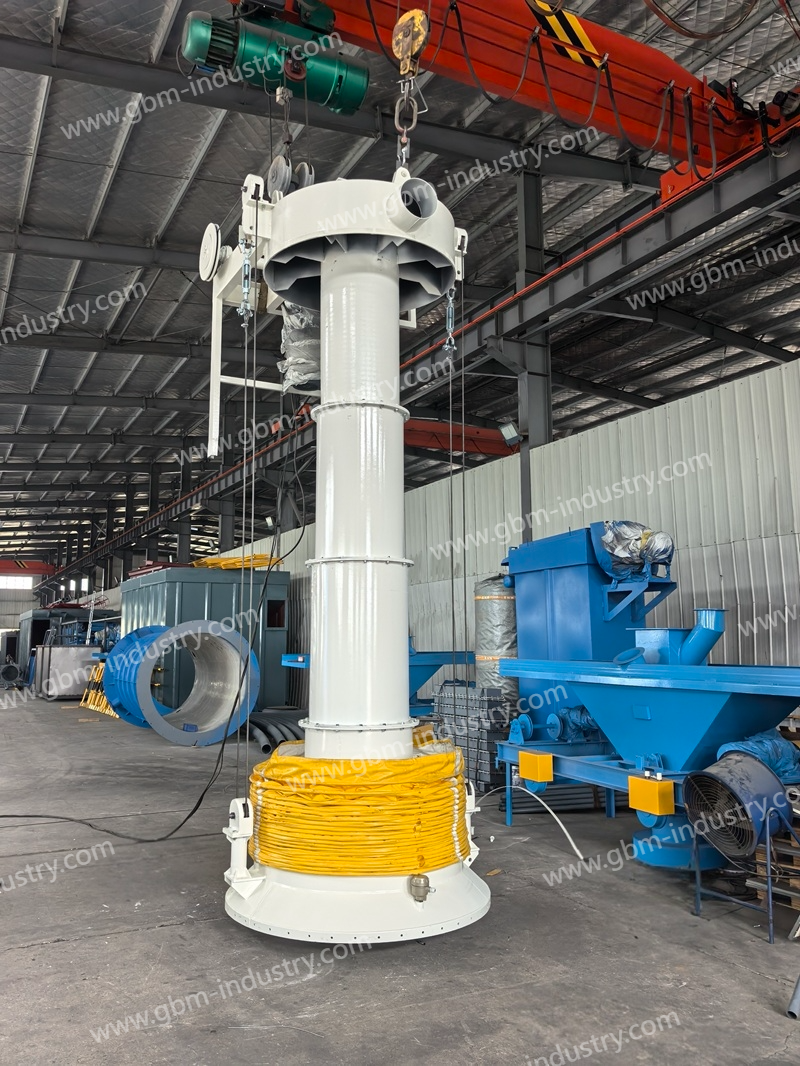
We listened, engineered, and delivered. The chute has now been manufactured, thoroughly tested, and shipped to France. It is not an off‑the‑shelf product. Every detail—from the diameter to the telescoping stroke to the internal lining—was customized to fit the customer’s existing loading tower and vessel sizes. For the French team on site, this means a chute that slides right into their workflow, not one that forces them to adapt.
Tailored to the Site
No two bulk handling installations are identical. The height from the loading tower to the ship’s hatch, the available headroom, the type of cement (Portland, slag, or blended), and even the local climate affect how a telescopic chute should be designed. GBM’s engineering team starts with a blank sheet, not a catalog.
From site survey to shop drawing
For this French project, we collected detailed measurements of the customer’s existing conveyor discharge point and the range of vessel sizes they typically load. We then modelled the chute’s telescoping sections so that it extends deep into the hold but retracts fully when not in use, avoiding any interference with deck fittings. Our team also simulated the flow of cement through the chute to prevent blockages at transitions.
Installation support as part of the package
Custom design does not end with the drawing. We provided clear installation drawings and step‑by‑step guidance. A GBM technical advisor was available for video calls during the pre‑installation check, making sure the mounting brackets aligned with the customer’s structure. For the French customer, this eliminated guesswork and reduced the risk of on‑site modifications. They could focus on preparing the rest of their loading system while we made sure the chute would fit perfectly.
Quality Wear Liners Inside the Chute
Cement is extremely abrasive. Over time, it acts like sandpaper on the inside of a steel chute, wearing grooves that lead to leaks and uneven flow. Many chutes lose their efficiency after a few thousand tons. GBM solved this with high‑quality wear‑resistant liners.
Protecte chute from the inside
The internal surfaces of the French customer’s telescopic chute are lined with engineered wear plates. These liners are not a thin paint‑on coating. They are thick, replaceable panels made of material specifically chosen to resist the sliding abrasion of fine cement particles. When cement flows down the chute, it contacts the liners, not the structural steel. This design keeps the outer casing intact for decades, while the liners take the daily punishment.
Higher throughput, less maintenance
Because the liners maintain a smooth, consistent surface, cement flows faster and with less friction. The customer achieves the full 400 tph rating without slowdowns caused by internal roughness. And when the liners eventually wear down after years of service, they can be replaced in a matter of hours, not days. The main chute structure stays in place. For the French maintenance team, this means predictable, low‑cost upkeep and no unexpected shutdowns.
Custom Steel Frames for Damage‑Free Delivery
A beautifully built chute is worthless if it arrives dented, scratched, or bent. International shipping is rough. Containers get bumped, and loose cargo shifts. GBM takes packaging seriously, especially for long, telescoping structures like this chute.
Purpose‑built steel frames
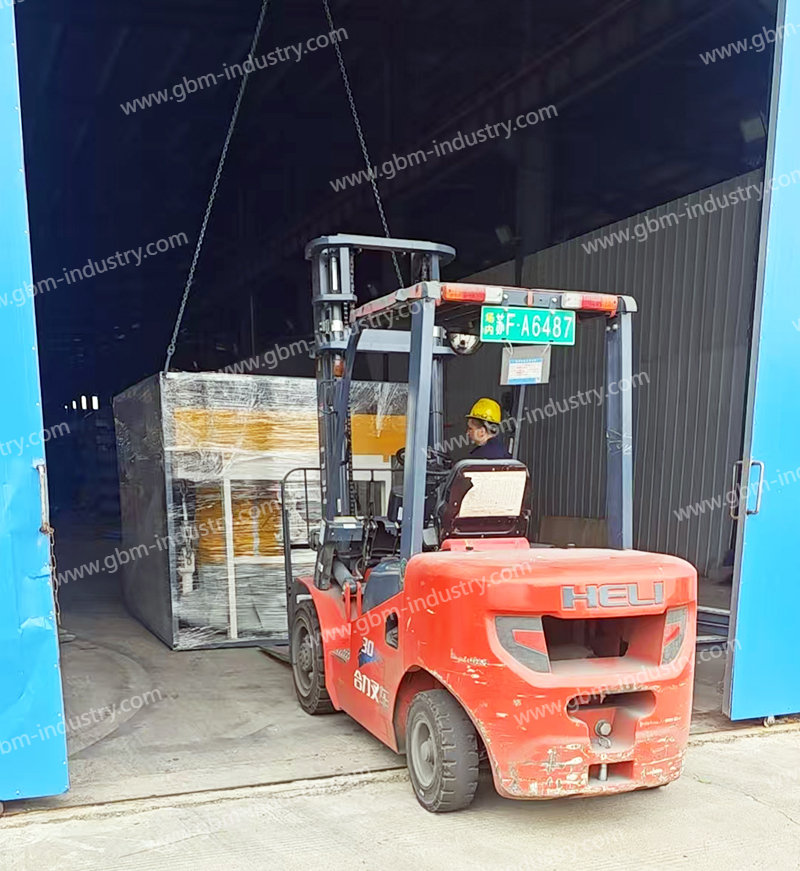
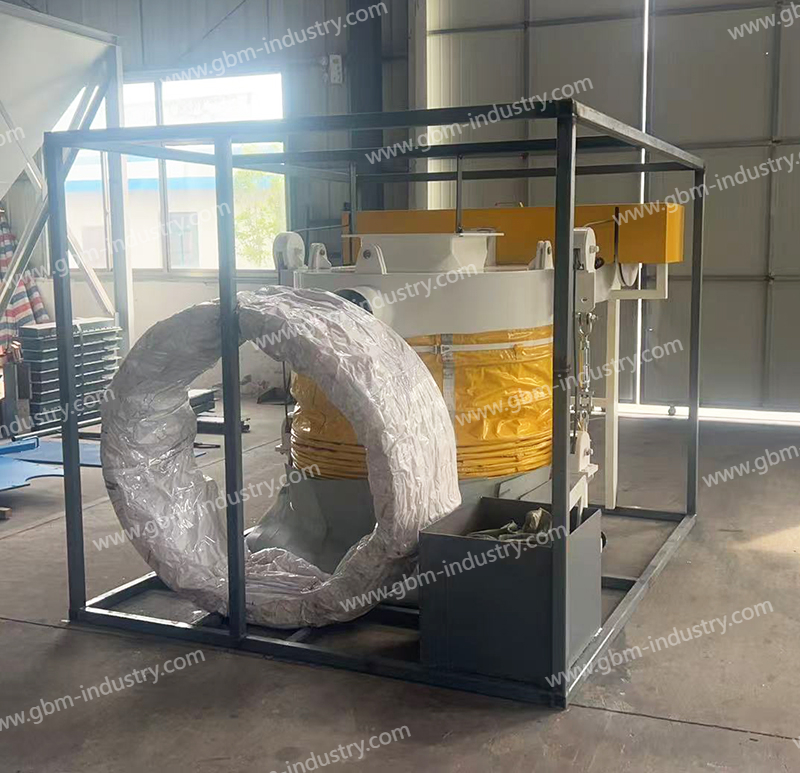
We designed and welded a heavy steel support frame specifically for this 400 tph telescopic chute. The chute sits in the frame on padded supports, with straps holding every section firmly in place. The frame itself is braced so that it cannot collapse or twist during loading, ocean transit, or final truck delivery to the French port.
Preventing impact and abrasion in transit
All critical surfaces—the chute’s outer cylinder, the telescoping segments, the flange faces—are covered with protective padding. Loose parts like fasteners and small brackets are bagged and secured inside a locked box attached to the frame. The entire assembly is then wrapped in industrial stretch film to keep out dust and moisture. When the French customer uncrated the chute, they found it in exactly the same condition it left our factory: flawless.
High‑Quality Chute Solutions for Bulk Handling
The shipment to France is one of many telescopic chute projects GBM has completed for cement, grain, fertilizer, and other dusty bulk materials. We have learned that success depends on three things: listening to the customer’s specific needs, building with durable materials like wear liners, and delivering intact through careful packaging.