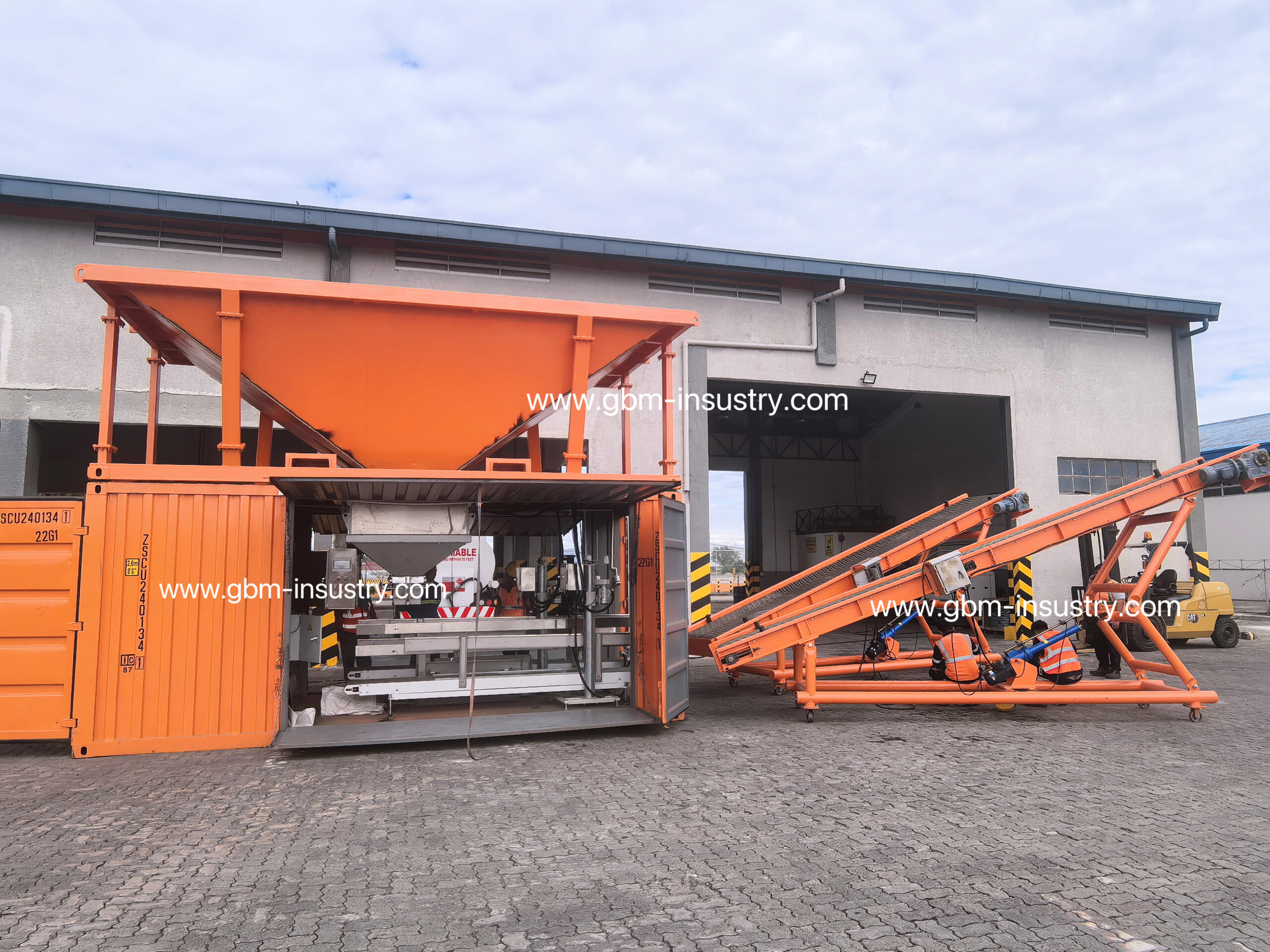


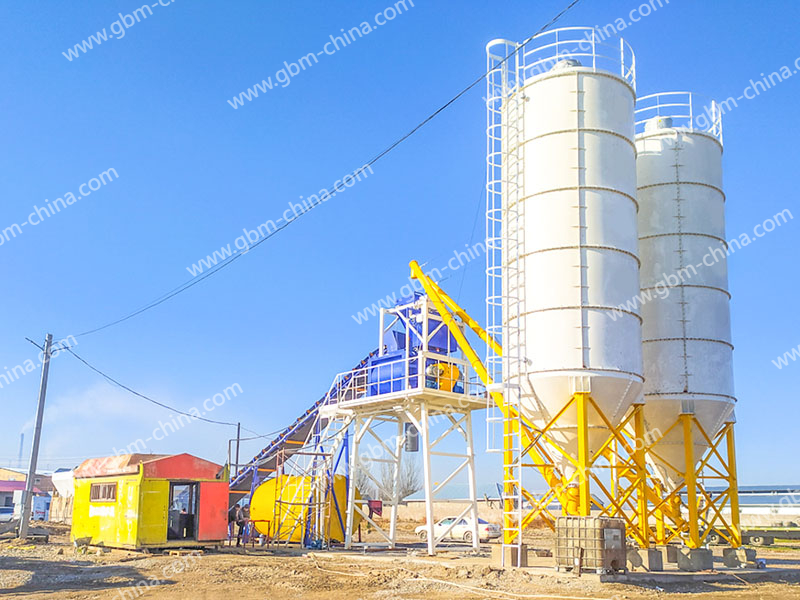
Cement plants utilize a wide variety of equipment, with belt conveyors being the primary component of cement conveying systems. These conveying systems operate continuously under harsh environmental conditions and often run at full capacity. Improper use or inadequate maintenance can lead to malfunctions. When latent faults develop in conveyor motors, their subtle symptoms often go unnoticed by operators and inspectors. This allows the motors to operate in a prolonged “suboptimal” state, directly compromising both the equipment itself and the normal functioning of the cement transportation system. Ultimately, this leads to motor failure, forcing the entire system to shut down for repairs and resulting in significant economic losses.
Analysis Of Motor Failure
Mechanical Failures
(1) For belt conveyors, uneven load distribution during operation causes significant fluctuations in current. This leads to motor overload, forcing the stator windings to operate under prolonged overcurrent conditions. Consequently, stator winding overheating and reduced insulation strength result in motor damage.
(2) Motor vibration primarily stems from loose mounting bolts or inadequate conveyor fixation. Additionally, insufficient coupling clearance during motor installation can cause the couplings to jam during operation, generating excessive axial thrust and inducing high-frequency vibration in the motor.
Electrical Failures
Statistics indicate that among three-phase asynchronous motors used in production, approximately 85% of operational failures are electrical faults involving burnt-out windings, while mechanical and other failures account for about 15%. The primary causes of winding burnout include single-phase operation, overload operation, winding grounding, and inter-phase or inter-turn short circuits. Secondary causes involve mechanical issues such as stator/rotor friction and broken bars. This section focuses on analyzing the electrical causes of motor winding burnout and proposes corresponding solutions.
Phase Loss Operation
The symptom of phase loss operation is failure to start. Even if it starts under no-load conditions, the speed will rise slowly accompanied by a humming sound, smoke emission, overheating, and a burnt odor. Upon removing the motor end cover, one can observe that one-third or two-thirds of the pole phase windings at the end of the winding are charred or have turned dark brown. The causes and solutions for phase-loss operation in equipment are as follows:
(1) Poor contact or mechanical damage in the motor supply circuit fuse circuit causes a fuse in one phase to blow.
(2) Different fuse specifications in the motor supply circuit’s three-phase fuses result in the smaller-capacity fuse blowing. Replace with fuses of the same specification based on the motor’s power rating.
(3) Poor contact, burning, or loosening of the isolating switch, rubber-covered switch, or contactor contacts in the motor power supply circuit. Repair and adjust the moving and stationary contacts to ensure good contact.
(4) When a phase is missing in the circuit, locate the break and reconnect securely.
(5) Poor soldering between motor winding connection wires causes poor contact. Carefully inspect the motor winding connection wires and solder them securely.
Overload Operation
During overload operation, motor current exceeds rated values and temperature rise surpasses rated limits. Severe cases may result in complete burnout of all three winding sets, bearing grease depletion or damage, and friction between stator and rotor cores (also known as shaft rubbing). Analysis of overload equipment failure causes and countermeasures follows:
(1) When the load is excessive, consider appropriately reducing the load or replacing the motor with one of suitable capacity.
(2) If the power supply voltage is too high or too low, install a three-phase power voltage stabilizing compensation cabinet.
(3) If the motor has been severely dampened for an extended period or exposed to corrosive gases, the insulation resistance will decrease. Depending on the specific situation, perform a major overhaul or replace it with a closed motor of the same capacity and specifications.
(4) Bearing oil deficiency, dry grinding, or rotor mechanical misalignment may cause rotor rubbing against the stator, resulting in motor current exceeding rated values. Thoroughly inspect bearing wear; replace with new bearings if unsatisfactory. then clean the bearings and apply appropriate grease. Subsequently, inspect the motor end cover. If the center hole of the end cover is worn, causing rotor misalignment, the end cover should be repaired or replaced.
(5) Mechanical transmission component failure causes motor overload, burning out the motor windings. Inspect the mechanical components for faults, take corrective measures to resolve them, and ensure smooth rotation.
Leakage Faults
Insufficient leakage protection sensitivity causes the motor and power supply system to leak current without triggering protective components or tripping the circuit. This results in unbalanced three-phase currents, damaging the motor.
Motor Overheating Faults
(1) Prolonged operation beyond rated load causes difficult motor starts, rapid heating after startup, and degraded insulation. When the load is excessive, consider appropriately reducing the load or replacing the motor with one of suitable capacity.
(2) For air-cooled motors, inadequate ventilation, damaged cooling fans, insufficient airflow for heat dissipation, blocked ventilation ducts, airflow unable to reach hot spots, or clogged intake screens in the air intake ducts can all cause motor overheating faults.
Moisture-Related Motor Failures
Prolonged severe moisture exposure or water ingress due to flooding can degrade motor insulation, potentially causing interturn short circuits or insulation breakdown to ground. Depending on the situation, perform major repairs or replace with an enclosed motor of identical capacity and specifications.
Daily Maintenance and Management
Timely detection and prompt resolution of electrical equipment faults prevent accidents and ensure uninterrupted production. Therefore, electrical equipment must undergo regular inspections and maintenance as specified, with accurate diagnosis and handling of operational faults to minimize equipment accident losses and guarantee normal production. Specific daily maintenance and management measures are as follows:
(1) Improve maintenance quality by implementing a responsibility system for equipment. Address identified issues comprehensively and promptly, leaving no blind spots.
(2) Conduct regular integrity inspections to prevent water or oil ingress into motor interiors.
(3) Perform daily measurements of motor ground insulation and phase-to-phase insulation, maintaining detailed records. Promptly investigate causes when insulation resistance values decrease.
(4) Daily monitoring of motor bearing temperatures with recorded results. Investigate causes when excessive temperature rises occur.
(5) Regular measurement of system power supply voltage with recorded results. Promptly adjust for unstable voltage or excessive deviations to maintain stable supply voltage.
(6) Periodic testing of no-load and full-load currents for operating motors.
(7) Periodically test the sensitivity of motor protection plug-ins. If the protection plug-in fails to activate when the motor’s full-load operating current exceeds 110%, replace the protection plug-in immediately.
(8) For heating caused by winding short circuits or ground faults, inspect and analyze the specific heating conditions. Repair or replace the winding coils as necessary.
(9) If the leakage protection device trips during motor operation, never blindly restore power. The fault cause must be identified and resolved before power can be reapplied.
GBM–High Quality Motor Assurance
In cement transportation systems, motor reliability directly impacts the continuity and stability of the entire production line. GBM deeply understands the demanding operational conditions of the cement industry, providing high-performance, high-protection-rated drive motors specifically for cement conveying equipment like belt conveyors. This motor series incorporates solutions for common failure points mentioned in this document during the design phase: premium insulation materials and advanced heat dissipation structures effectively resist overload, overheating, and moisture risks; built-in comprehensive electrical protection mechanisms significantly reduce burnout probability caused by phase loss or voltage fluctuations. Furthermore, GBM extends beyond equipment supply to deliver comprehensive lifecycle service support. We provide ongoing professional technical assistance and customized maintenance guidance, including: – Developing scientific inspection schedules – Interpreting insulation resistance and bearing temperature data – Advising on load adjustments and protection parameter tuning These measures ensure motors operate efficiently and reliably, minimizing failure-induced downtime at its source and safeguarding seamless, high-efficiency cement transportation.
Conclusion
Electric motors are indispensable in mechanized production, and motor failures rank among the primary factors affecting safe cement production, constituting a major portion of electromechanical accidents in cement plant equipment. During the operation of cement transportation equipment, diligent daily maintenance and management of motors are essential to reduce and control the occurrence of failures. When cement transport equipment motors experience failures or damage, conduct thorough analysis to identify root causes and implement targeted repairs while ensuring maintenance quality. Simultaneously, document incident causes and corrective actions to provide relevant technical data and measures for future equipment operation management and maintenance.